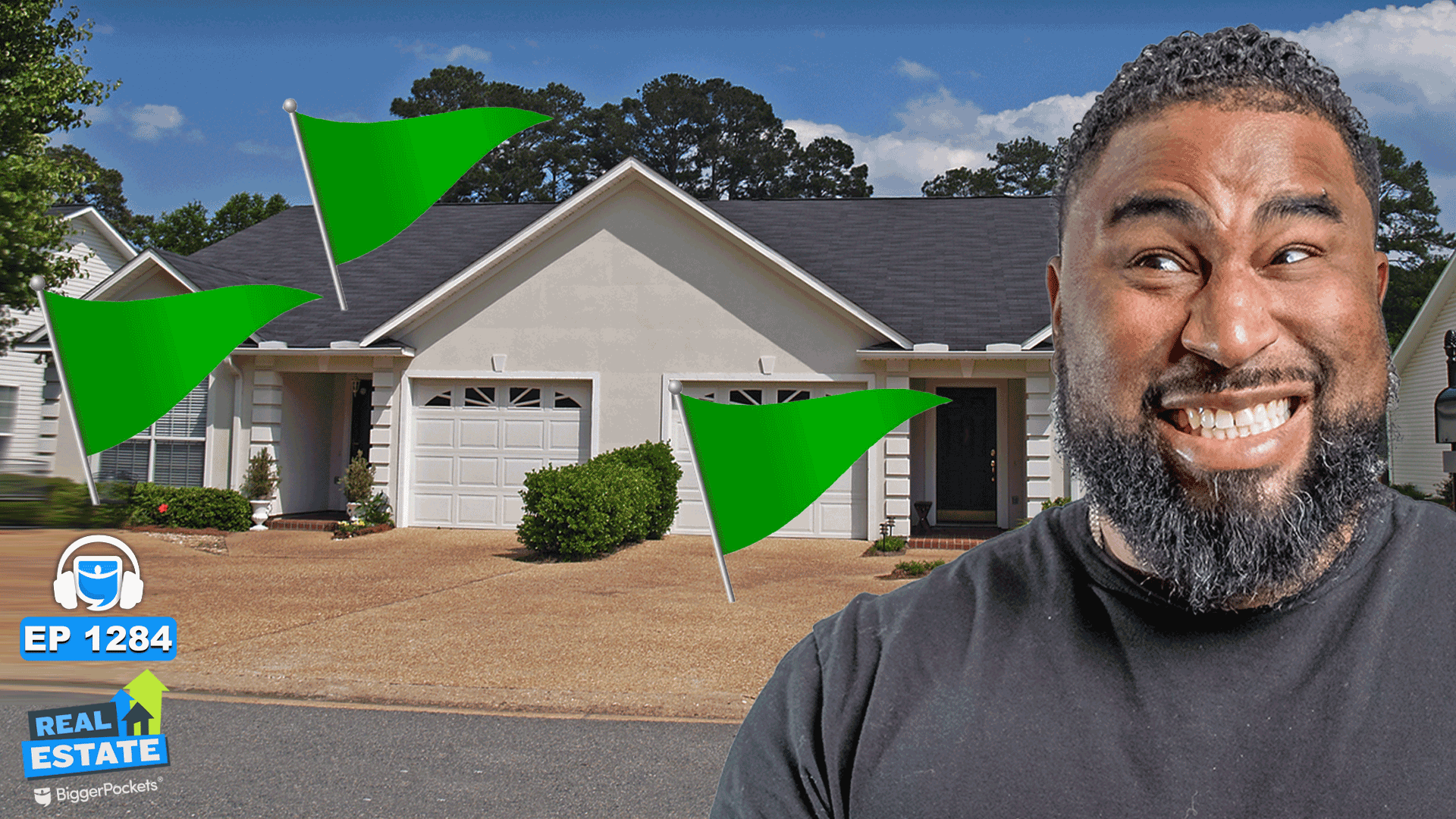
Real estate investors regularly overlook six key indicators that signal undervalued properties and wealth-building opportunities.
The most common mistake involves ignoring properties in neighborhoods experiencing quiet infrastructure improvements. Roads, schools, and utilities upgrades rarely capture headlines, but they attract families and professionals willing to pay premium rents. Investors who spot these projects early gain 12 to 24 months of appreciation before the broader market catches on.
Second, many overlook cosmetic-heavy distress. A property needing fresh paint, landscaping, or minor repairs appears worse than it is. Sellers often price these aggressively, assuming buyers will flee. Smart investors budget $5,000 to $15,000 in improvements and recover the investment within months through higher rents or resale value.
Third, lenders matter more than investors realize. Banks tighten standards during downturns, leaving owner-financed and portfolio-held properties with flexible terms in plain sight. A seller willing to finance at 5.5 percent when traditional rates hit 7 percent creates immediate equity and cash flow advantages.
Fourth, corporate consolidation in local industries signals tenant stability. When major employers expand payroll or open satellite offices, rental demand follows. Properties near these growth centers attract quality tenants with stable income sources.
Fifth, zoning changes approaching approval create dormant upside. A commercial zone pending residential approval, or a single-family neighborhood rezoning for multifamily, shifts property values dramatically once official. Investors monitoring planning department meetings catch these before the rush.
Sixth, tenant turnover patterns reveal operational opportunities. Properties with high vacancy rates or frequent move-outs often reflect poor management, not market weakness. The same property under competent ownership commands higher rents and attracts stable residents.
Successful investors treat these flags as data points, not luck. They dig into local zoning records, attend city council meetings