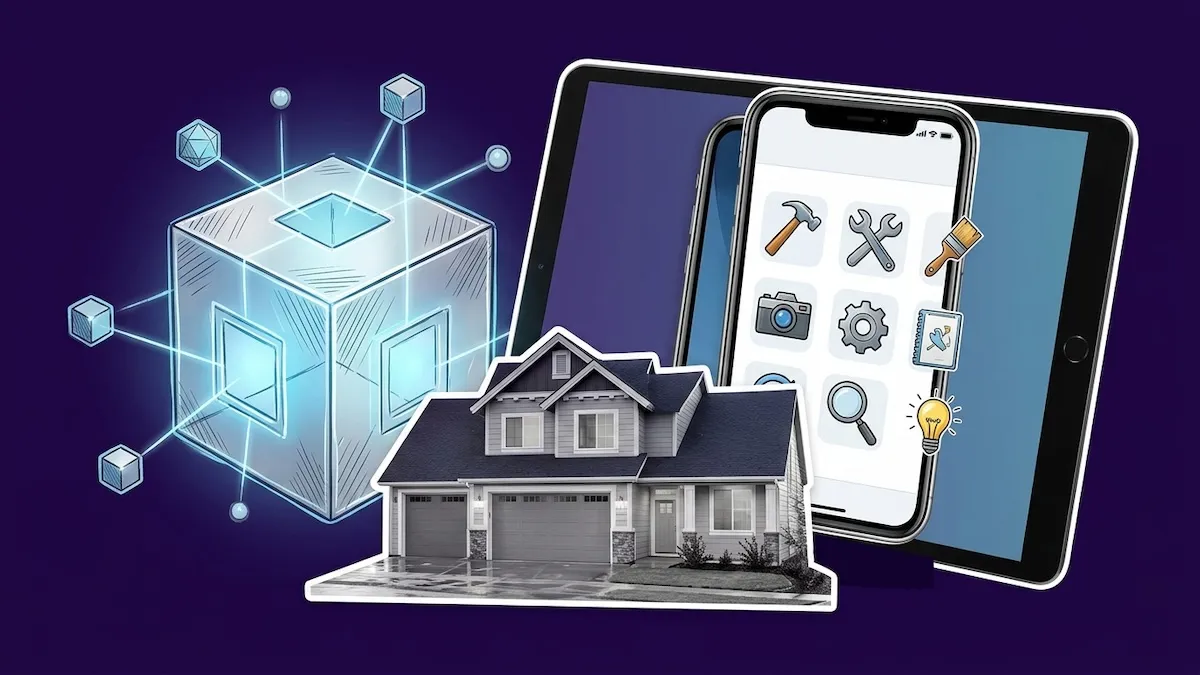
Rechat, a CRM platform serving real estate professionals, launched custom app-building capabilities that let developers create tailored interfaces operating within the Rechat ecosystem. These custom applications run on developers' own servers rather than Rechat's infrastructure, offering flexibility for brokerages and teams needing specialized workflows.
The feature addresses a common pain point for large brokers and teams managing complex transaction pipelines. Instead of forcing users into standardized processes, brokerages can now build apps matching their specific operations, whether that involves unique lead qualification systems, custom reporting dashboards, or proprietary transaction workflows.
For real estate teams, this means faster adoption of Rechat across their organization. Agents and staff get interfaces designed around how they actually work, not the other way around. Brokers gain competitive advantage by embedding proprietary processes directly into their CRM, making it harder for agents to switch platforms. Larger brokerages with development resources can now justify deeper Rechat investment instead of building parallel systems.
The developer-hosted architecture keeps Rechat's core platform lightweight while letting builders maintain control over their custom code and data processing. This model protects brokerages' intellectual property in their custom applications while reducing load on Rechat's central servers.
Rechat's move aligns with broader industry shift toward flexibility in real estate tech. As competition intensifies among CRM providers, platforms that allow customization without requiring expensive professional services retain more clients. Small to mid-sized brokers benefit here too. They can partner with freelance developers or local tech firms to build custom apps, avoiding vendor lock-in.
The timing matters. Real estate teams operating at scale increasingly demand integration ecosystems rather than monolithic platforms. Rechat's custom app layer competes directly with Salesforce's app exchange model, giving real estate-specific CRM users similar extensibility without migration headaches.
For brokers evaluating