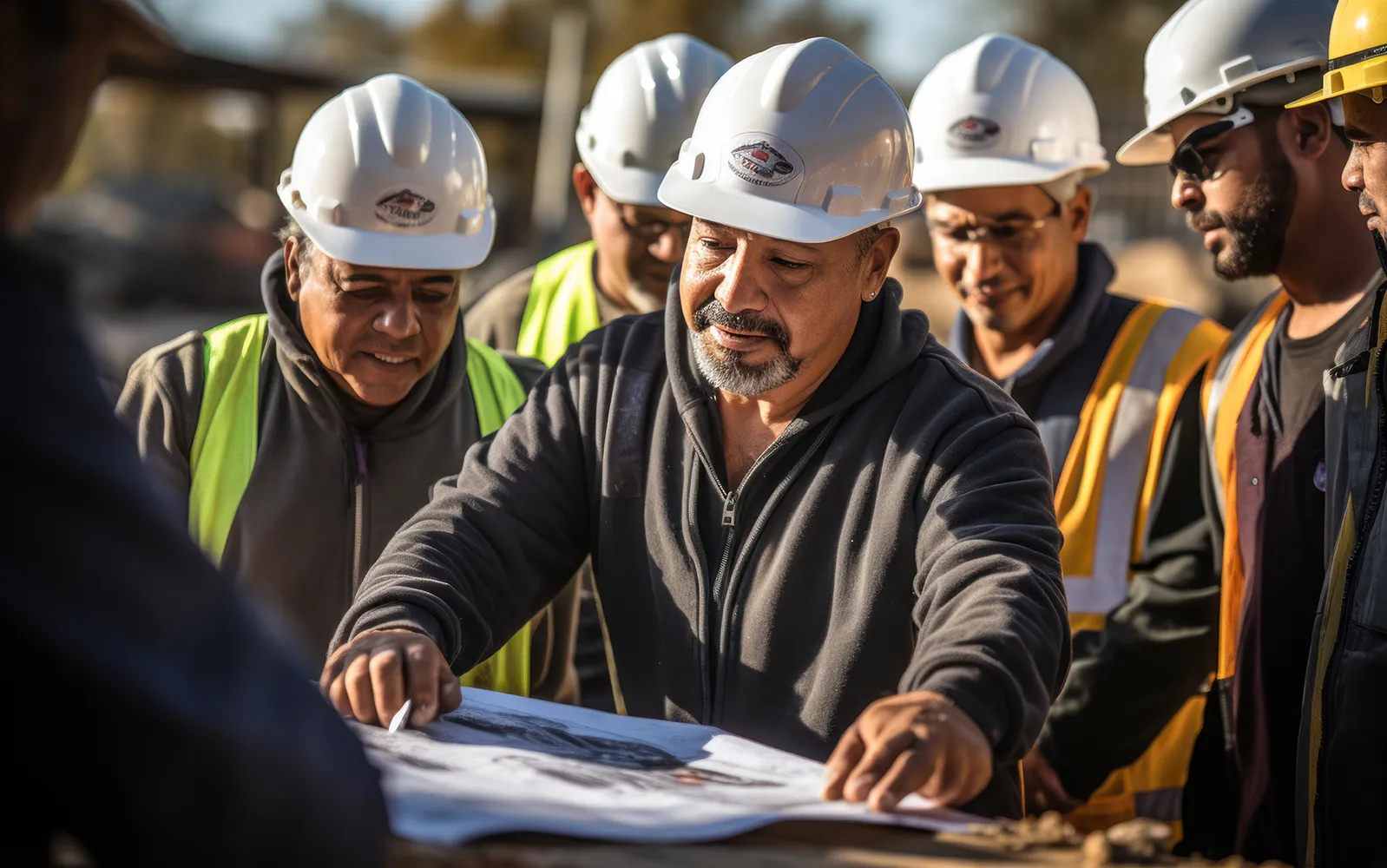
Homebuilders face a paradox as new home sales slide nationwide. They acknowledge that idle construction crews and trade labor networks deteriorate over time, yet most production builders have deprioritized solving the labor shortage as demand weakens.
The misreading happens here. Builders invest in labor solutions when sales volumes demand it. But the optimal time to recruit, train, and retain skilled trades is during downturns, not during the next boom. By the time demand snaps back, the labor deficit compounds faster than capacity can recover.
Major production builders like Lennar, D.R. Horton, and KB Home face this reality. During market softness, they cut crews and hours. Trade contractors lose steady work and migrate to other industries. When the cycle turns, these workers don't instantly reappear. Apprenticeships take years to mature. Electricians, plumbers, and framers who left construction for steadier work rarely return.
The intermediate steps matter. Builders could establish apprenticeship partnerships now. They could retain skeleton crews on maintenance work. They could coordinate with subcontractors to pipeline future labor rather than wait for phone calls when orders surge. Instead, most default to cost-cutting and hope the labor market cooperates when they need it again.
For sellers, this delays new home delivery. For buyers, this means fewer new inventory options and sustained pricing pressure on existing homes. For trade contractors, it means reduced mid-market stability and continued wage pressure. For tenants and renters, it perpetuates tight rental markets as new apartment construction faces identical labor constraints.
The shortage persists not because labor doesn't exist but because builders treat it as cyclical rather than structural. A contraction that lasts 18 months can unwind five years of labor development. Builders comfortable with this timeline will continue misreading the problem until they face it again.