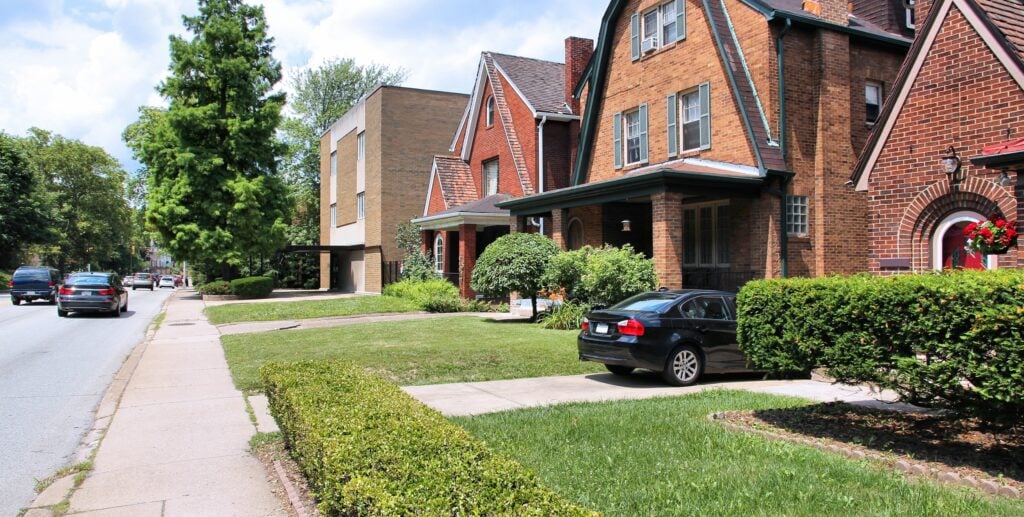
Affordability barriers in major coastal markets push new real estate investors toward secondary metros where entry-level deals remain accessible. Six metropolitan areas offer median home prices below $300,000, opening doors for investors who lack six-figure down payments or cannot compete in expensive primary markets.
Markets with sub-$300,000 medians provide cash flow advantages. Lower purchase prices mean smaller mortgages, lower property taxes, and faster equity accumulation. Rental demand remains strong in these metros because they attract workers seeking cheaper housing than coastal cities offer. A $250,000 rental property in these markets generates significantly more monthly income relative to purchase price than comparable investments in Los Angeles, San Francisco, or New York.
For first-time investors, these markets reduce risk. Smaller capital requirements mean less exposure if a deal underperforms. Investors can acquire multiple properties faster, building portfolio diversification without waiting years to save for down payments. This strategy works especially well for house-hacking. Buying a duplex under $300,000, living in one unit, and renting the other covers most mortgage payments immediately.
Tenants in these markets face different dynamics than renters in pricey cities. Rents remain reasonable while property values appreciate steadily. Long-term tenants stay put, reducing turnover costs. This stability benefits landlords running lean operations without professional property management companies.
Sellers in these metros gain from investor interest. More buyer competition pushes prices higher than local metrics alone suggest. Markets experiencing in-migration from out-of-state investors see faster appreciation and quicker sales.
The trade-off appears in growth ceiling. Secondary metros typically appreciate at 3-4% annually versus 5-7% in coastal markets over longer cycles. Investor returns rely on consistent cash flow rather than explosive appreciation. Investors seeking quick flips should focus elsewhere. Patient landlords building long-term portfolios th