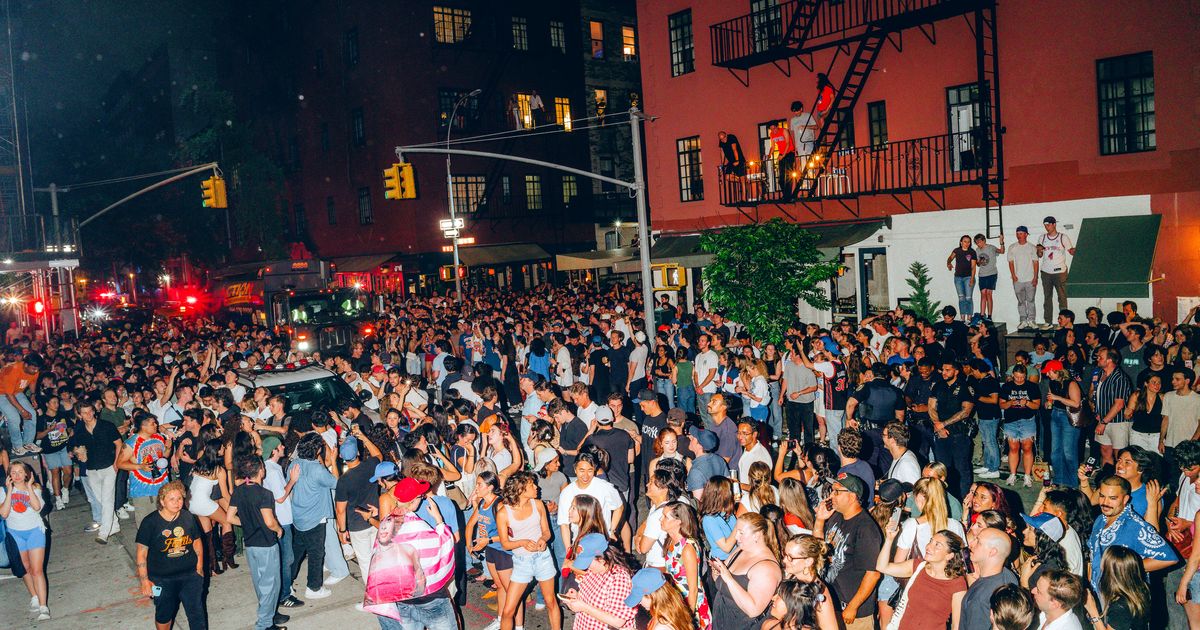
New York City has transformed into an outdoor viewing arena as NBA Finals ticket prices soar beyond reach for most residents. Rather than paying scalper rates for Madison Square Garden seats, New Yorkers gather in parks, plazas, and streets throughout the five boroughs to watch the Knicks compete.
The economics are stark. Finals tickets at MSG start at several hundred dollars and climb into the thousands for decent sightlines. Resale markets push prices even higher, putting games outside the budget of average fans. The city responded by creating free viewing experiences in public spaces. Bryant Park, Washington Square Park, and various neighborhood gathering spots now host crowds of hundreds or thousands for each game.
This shift reflects broader real estate and affordability trends in Manhattan. As property values and rents have climbed, fewer residents can afford experiences tied to premium venues like MSG. The Finals viewing phenomenon reveals how the city's housing crisis extends into entertainment and quality-of-life access. Young professionals and families priced out of expensive apartments also face barrier pricing for cultural events.
The outdoor viewing trend benefits local businesses in surrounding neighborhoods. Parks hosting watch parties draw foot traffic to nearby bars, restaurants, and shops. Street vendors capitalize on crowds seeking food and drinks during games. Some neighborhoods experience economic spillover effects that offset commercial losses in traditional entertainment districts.
For landlords and property owners near major viewing sites, the gatherings create both opportunity and liability. Increased foot traffic can boost ground-floor retail leases. However, property managers must manage noise complaints and potential crowd control issues. Building security teams report increased activity during game nights.
Developers and commercial real estate investors note the pattern. Public spaces with strong gathering infrastructure command premium leases for surrounding retail. Parks with comfortable seating, shade, and good sightlines become valuable real estate assets in the competition for neighborhood vitality.
The Knicks' Finals run exposed a fundamental disconnect between ticket supply and afford