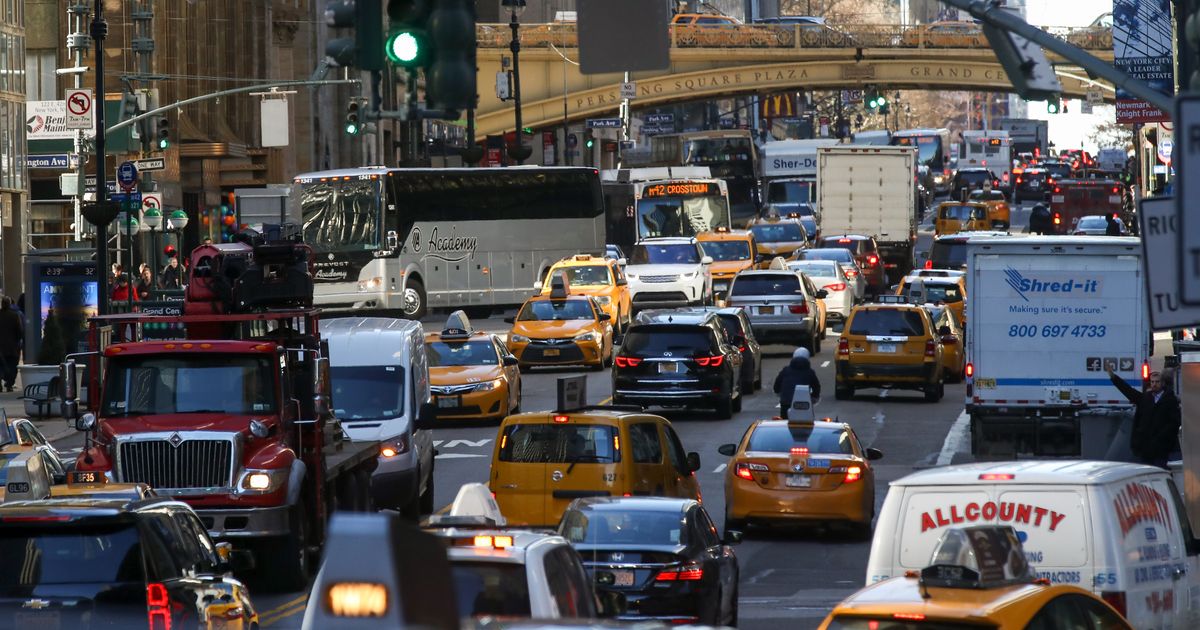
# The Big World Cup Traffic Experiment
Cities hosting major sporting events face predictable gridlock. During World Cup matches, municipalities implement traffic restrictions to keep congestion manageable. These temporary bans on trucks and cars in central business districts offer real-world data on what permanent urban design changes could look like.
The experiment cuts to the heart of urban real estate strategy. Midtown districts thrive when foot traffic flows freely and delivery logistics operate smoothly. When vehicles clog streets, retail properties suffer, office workers avoid commutes, and residential appeal drops. Property values follow consumer behavior.
Restricting truck access to off-peak hours and banning private cars during peak game times creates unexpected benefits. Pedestrian-only zones attract retailers willing to pay premium rents. Office landlords see improved tenant retention when workers face shorter, less stressful commutes. Residential properties near car-free zones command higher prices due to reduced noise and emissions.
The World Cup creates a natural test environment. Cities can measure actual foot traffic, retail sales, and air quality during restricted periods, then compare metrics to normal days. This data shapes zoning boards' future decisions on permanent pedestrianization projects.
For property investors, the implications run deep. Cities that successfully manage World Cup traffic often announce long-term plans to extend car-free zones. These announcements trigger immediate value shifts. Properties within car-free perimeters appreciate faster. Parking garages and car-dependent retail properties face headwinds.
Developers already read the signals. New midtown projects increasingly feature minimal parking, prioritizing ground-floor retail, bike lanes, and plaza space. Lenders reward these designs with better terms, viewing car-free urban corridors as lower-risk investments.
Buyers and tenants benefit from walkable districts with reduced traffic. Sellers of parking-heavy properties should expect questions about long-term viability. Landl