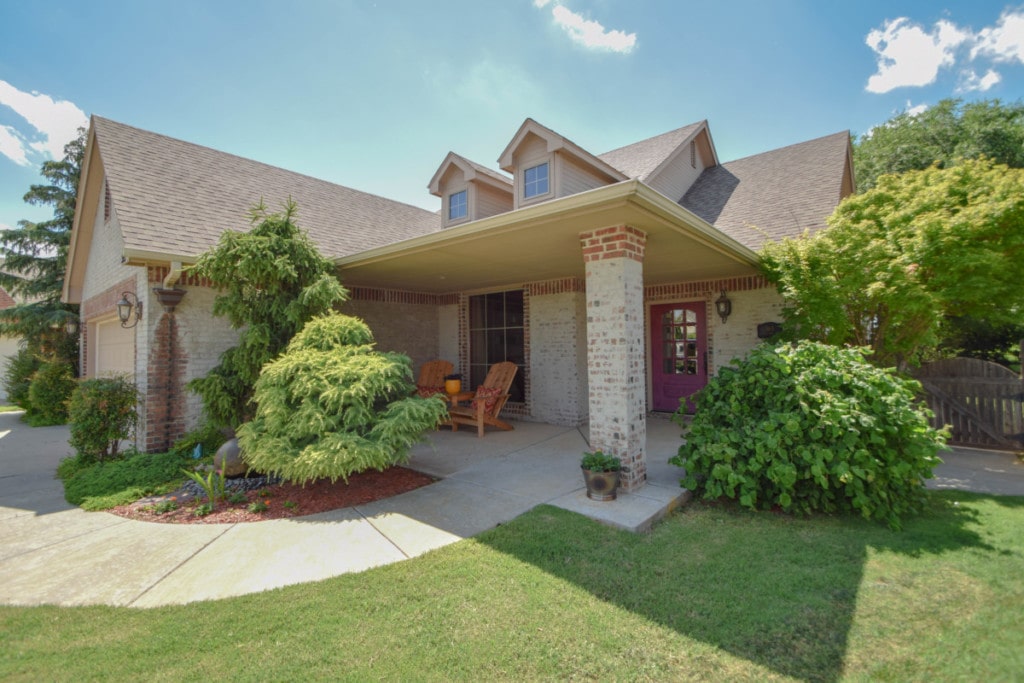
Homeowners are retrofitting properties to accommodate aging residents through targeted modifications that increase accessibility and safety. Single-story layouts eliminate stairs, while accessible bathrooms with grab bars and walk-in showers reduce fall risks. Kitchen modifications include lowered cabinets and counters for wheelchair access. Wider doorways and hallways accommodate mobility devices.
These modifications appeal to multiple buyer segments. Families seeking multi-generational housing value ground-floor bedrooms and bathrooms. Younger buyers benefit from universal design principles that simplify future adaptations. Sellers who implement aging-in-place features expand their addressable market beyond traditional downsizers.
The financial calculus works in multiple directions. Retrofitting an existing home costs less than relocating to a senior community or assisted living facility. Modifications range from $5,000 for basic bathroom upgrades to $50,000 for comprehensive renovations including elevator installation. Many states and municipalities offer tax credits and grants for accessibility upgrades, particularly for low-income seniors.
For landlords, aging-in-place features increase rental appeal and justify premium pricing. Tenants aged 55 and over represent a growing demographic seeking independence without institutional settings. Properties with accessible features command higher occupancy rates and reduce turnover costs.
Buyers considering aging-in-place modifications should prioritize high-ROI improvements. Accessible bathrooms and single-story living patterns recover 50-70 percent of costs at resale. Structural changes like removing interior walls or adding elevators show lower returns unless the local market demonstrates strong demand for accessible housing.
The trend reflects demographic reality. The Census Bureau projects Americans aged 65-plus will outnumber children by 2034. Property investors and developers increasingly recognize aging-in-place modifications as standard market expectations rather than niche amenities. Homes without accessibility features face narrowing buyer pools as the population ages. Smart sellers and