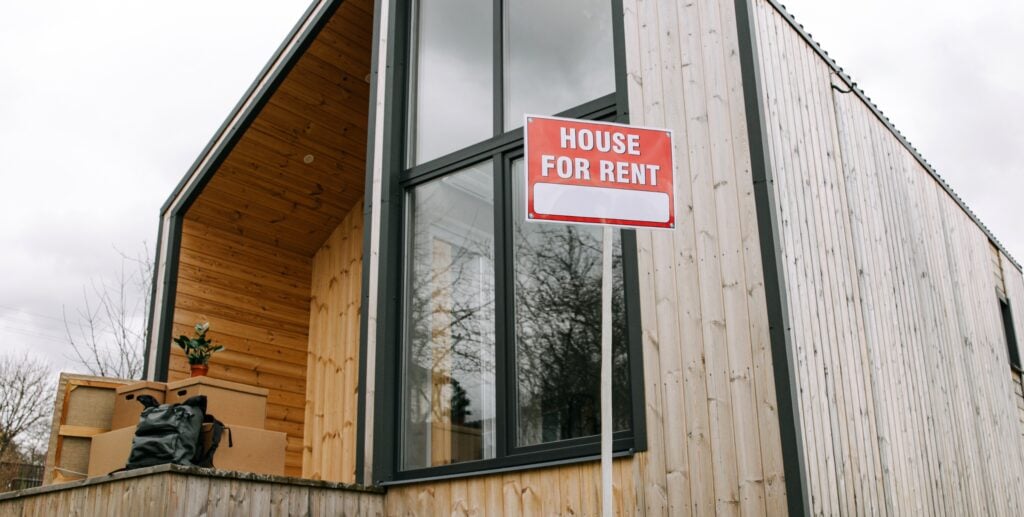
Landlords across the Sunbelt and Northeast face mounting pressure to fill units as new apartment supply floods these markets. Tenant demand has softened considerably, shifting negotiating power toward renters and forcing property owners to sweeten lease deals.
Concessions like one month free rent, waived fees, or reduced rates now serve as standard tools for multifamily operators trying to move vacant units. This strategy works faster than waiting for the market to absorb excess inventory, but it carries real trade-offs.
For landlords, concessions solve immediate cash flow problems. A vacant unit generates zero revenue, so offering one month free on a 12-month lease still yields 11 months of income while reducing turnover costs and accelerated lease-up timelines. However, this approach artificially suppresses effective rents and complicates future pricing power once the market stabilizes.
Tenants gain obvious advantages. Beyond direct rent reductions, concessions eliminate move-in fees, application fees, and deposit requirements. Smart renters negotiate these extras before signing, locking in lower total occupancy costs. For budget-conscious renters, this environment offers rare leverage.
Property managers juggling existing leases face internal complications. Residents paying full rate see neighbors enjoying free months and bristle at perceived unfairness. This friction can trigger turnover among loyal tenants and complicate retention strategies.
For investors evaluating Sunbelt multifamily assets, concession trends signal slowing fundamentals. Heavy reliance on giveaways rather than genuine rent growth suggests market saturation. Properties with strong location advantages and newer finishes command better lease-up without aggressive concessions.
The Sunbelt's overbuilding cycle hit markets like Austin, Phoenix, and Dallas hardest. Northeast markets including Boston and New York followed suit. Both regions face sustained elevated supply through 2024 and 2025.