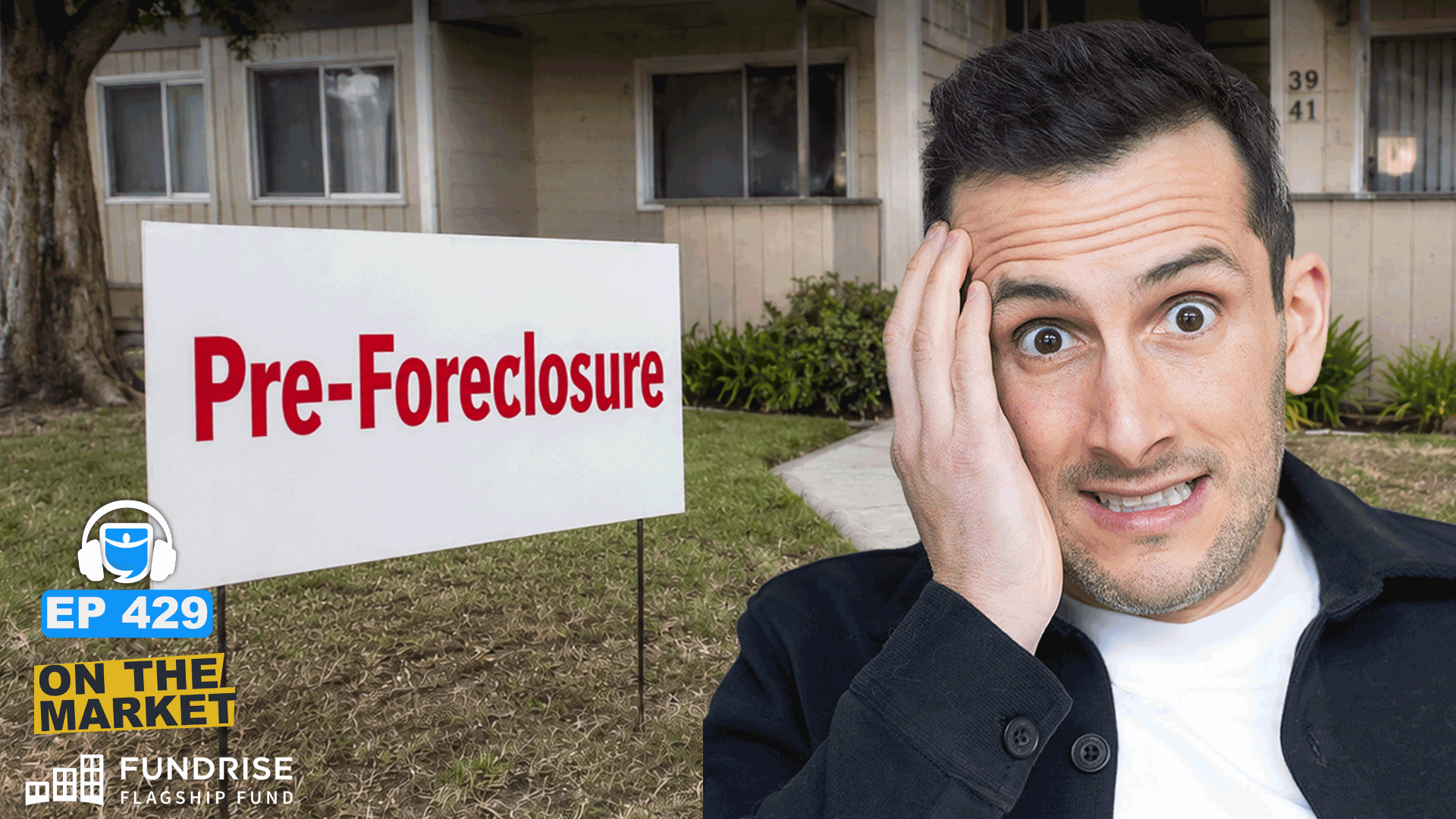
The housing market faces a critical stress test in 2026, with multiple economic pressures converging to test the sector's resilience. Rising interest rates, affordability constraints, and weakening buyer demand create a perfect storm for real estate.
Current mortgage rates hover near 7%, pricing out millions of potential homebuyers. The median home price exceeds $430,000 nationally, while median household income remains stagnant. This affordability gap has already reduced purchase activity and forced many buyers to postpone decisions. First-time homebuyers, typically the foundation of market stability, have largely exited the market.
Rental markets show stress too. Landlords face rising vacancy rates as oversupply from recent construction hits absorption. Tenant income growth lags behind rent increases, pushing more households into housing-cost burden situations. Regional divergence matters here. Sunbelt markets that absorbed pandemic migration now face cooling demand. Coastal markets remain tight but vulnerable to outbound migration.
The stress test involves several variables. Credit market tightening could restrict lending to marginal borrowers. Employment deterioration would accelerate defaults and distressed sales. Construction pullback could prevent new inventory from reaching buyers, creating artificial scarcity. Geopolitical shocks or trade policy changes add unpredictability.
Warning signs already visible include rising delinquencies on adjustable-rate mortgages, slowing home sales velocity, and declining builder sentiment. Developers have slowed starts in markets with weakest absorption. Lenders have tightened underwriting standards beyond regulatory minimums.
Homeowners with fixed-rate mortgages remain largely insulated. Sellers hold psychological resistance to lower prices. Buyers, frustrated by rates and prices, increasingly rent rather than purchase. Landlords managing portfolios with legacy low-rate debt perform well, while new investors face margin compression.
Passing 2026