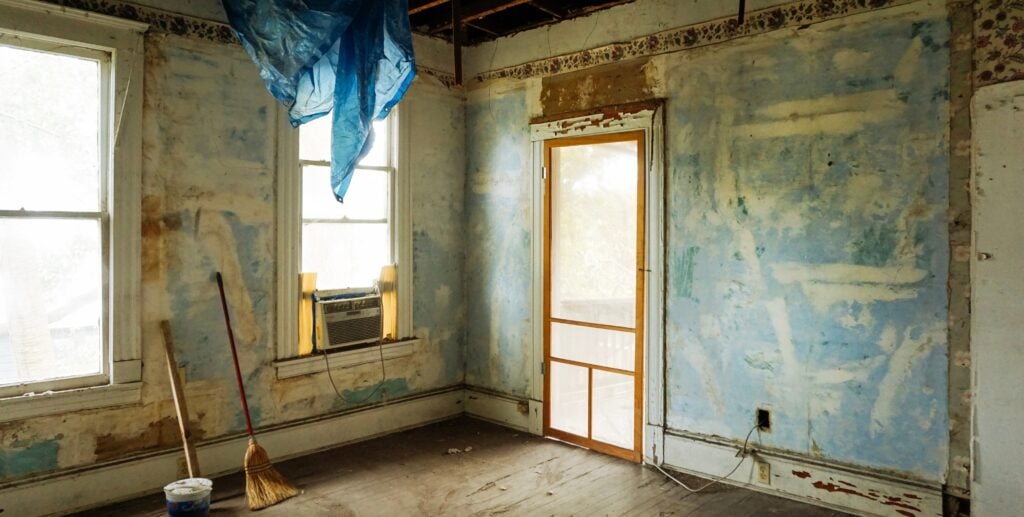
An out-of-state investor closed on a severely damaged property despite discovering burst pipes during the final walkthrough, underscoring the calculated risks that separate successful rental investors from those who fail.
The investor discovered standing water and extensive flood damage minutes before closing. Rather than walk away, he proceeded with the purchase. His strategy hinges on a fundamental numbers game: the property's acquisition price, repair costs, and long-term cash flow potential justified the risk.
This deal represents a common playbook among investors hunting for "value-add" opportunities. Distressed properties with obvious problems typically sell at steep discounts to motivated sellers. The burst pipes and resulting water damage scared away conventional buyers using traditional financing, leaving the field open for cash investors who can absorb unexpected repair costs.
The investor's team credited their success to systematic due diligence despite incomplete information. They conducted a preliminary inspection, obtained contractor estimates for plumbing repairs and water damage remediation, and built contingency reserves into their pro forma. This approach differs from amateur investors who either overestimate their ability to judge cosmetic issues or underestimate remediation expenses.
For property managers and contractors, burst pipes and water damage demand speed. Every day of delay compounds mold risk and structural deterioration. Professional investors maintain relationships with emergency restoration crews and plumbers who deliver rapid turnaround.
The "20 doors" target reveals the investor's scale ambitions. Building a portfolio of rental properties requires pattern recognition and risk tolerance. Each acquisition teaches lessons about market conditions, contractor performance, and tenant demand in specific neighborhoods. Investors who systematize the process, rather than treating each deal as unique, tend to replicate success.
For sellers of distressed properties, this illustrates current market dynamics. Banks and motivated sellers can offload problem properties to professional investors who view damage as a math problem rather than a dealbreaker. For tenants, these renovations eventually create available