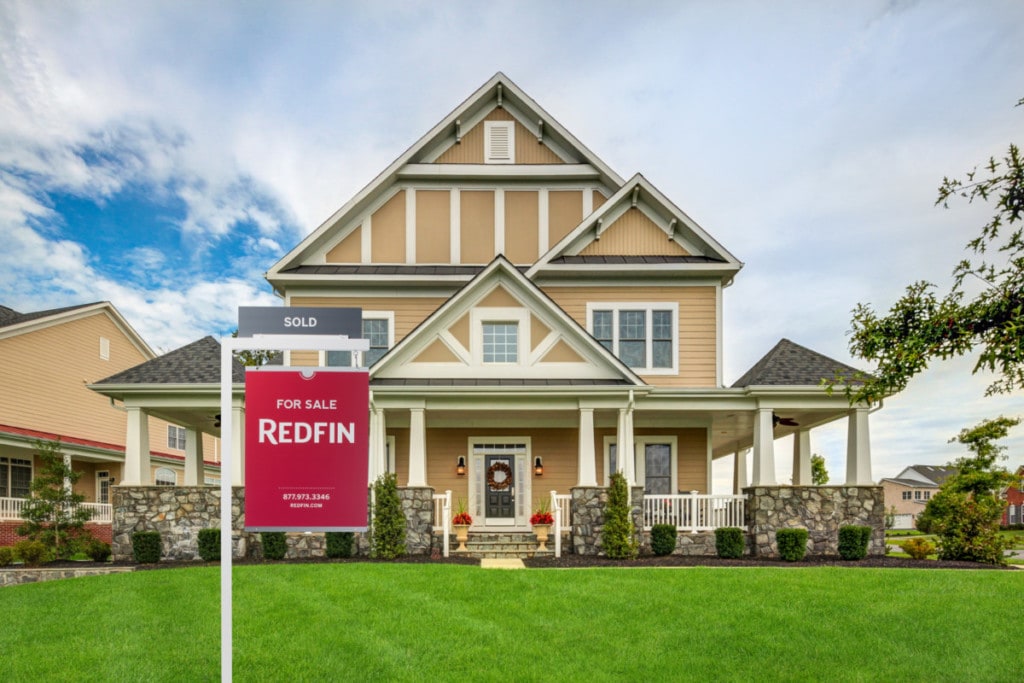
Redfin has published six practical strategies for homeowners to accurately assess their property's market value. The guidance covers both DIY approaches and professional methods.
The tips emphasize using comparable sales data from your neighborhood. Homeowners should examine recently sold properties with similar square footage, lot size, and condition within a one-mile radius. This comp analysis forms the foundation for realistic pricing, whether you're selling, refinancing, or calculating equity.
An automated valuation model, or AVM, provides a quick baseline. Zillow, Redfin, and similar platforms use algorithms and recent sales to generate estimates. These tools work best in active markets with consistent transaction data. Less liquid markets may produce inflated or deflated figures.
Professional appraisals deliver the most authoritative valuation. Appraisers inspect the property, review comparable sales, and account for condition, upgrades, and local market trends. Lenders require appraisals before mortgage approval. Homeowners can order independent appraisals for around $300 to $500 to settle disputes or validate refinancing decisions.
Tax assessments provide a floor but rarely reflect true market value. Many jurisdictions reassess less frequently than markets shift. Your assessment often trails actual property value, particularly in appreciating neighborhoods.
Recent renovations merit documentation. Kitchen and bathroom upgrades, new roofing, updated HVAC systems, and energy-efficient windows add measurable value. Keep receipts and photos of completed work.
Local market conditions shape everything. Rising interest rates, inventory levels, and employment trends in your area drive demand and pricing. A home worth $400,000 in a hot seller's market may command $380,000 in a cooling market, even without property changes.
For sellers, this data informs asking price strategy. Overpriced homes linger on market. For buyers, understanding these valuation