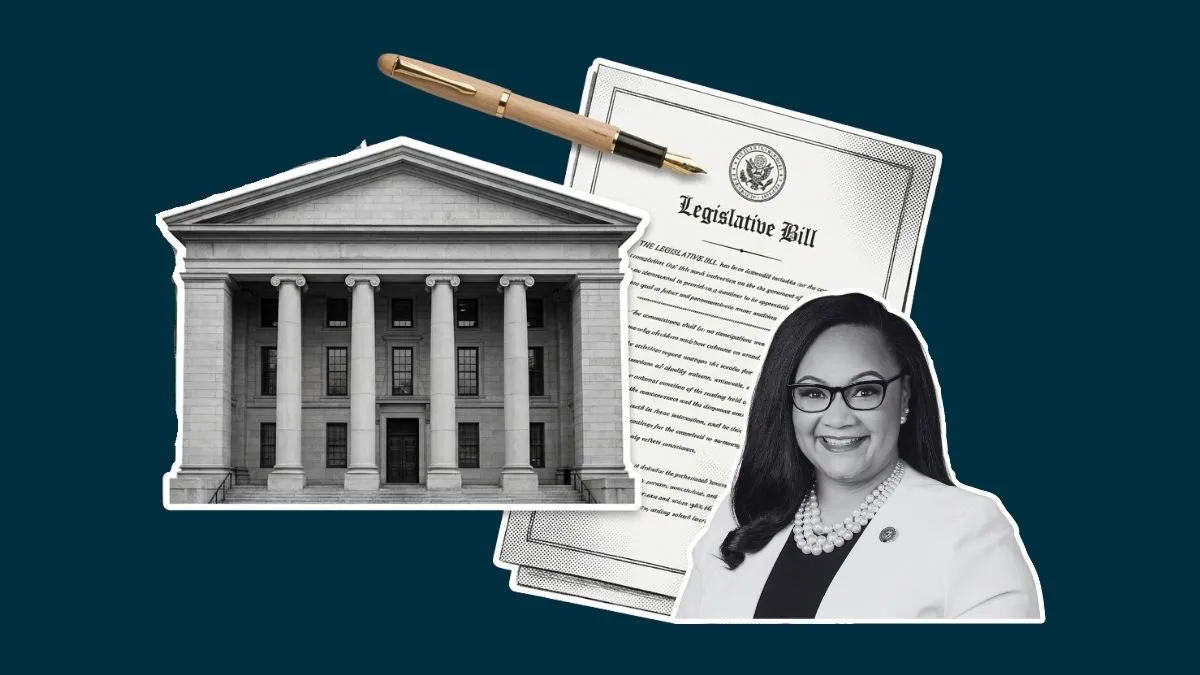
A House Democrat has reintroduced legislation that would expand mortgage credit access by allowing lenders to evaluate applicants using alternative financial data beyond traditional credit scores.
The bill mandates that lenders consider consumer-permissioned data, rental payment histories, and bank records when borrowers explicitly request it. This approach addresses a persistent barrier in mortgage lending: qualified buyers with thin or damaged credit files often face rejection despite demonstrating responsible financial behavior elsewhere.
Lenders typically rely on credit scores from Equifax, Experian, and TransUnion to assess risk. Those three-digit numbers exclude millions of Americans who pay rent on time, maintain healthy bank accounts, or lack sufficient credit history. Renters with perfect payment records often struggle to qualify for mortgages because rental payments don't appear on credit reports. Recent immigrants and younger buyers face similar obstacles.
The legislation creates a pathway for these applicants to provide additional proof of creditworthiness. If a borrower grants permission, lenders must evaluate their rental records and banking data alongside traditional metrics. This doesn't force lenders to approve applicants. It simply expands the information lenders can legally consider before rejecting someone.
For buyers, this means real opportunity. Someone with solid rent history but a 620 credit score could demonstrate repayment capability through rental records. First-generation homebuyers and immigrants gain traction toward qualification. For sellers, expanded buyer pools increase the likelihood of closing deals.
For lenders, the bill creates operational flexibility. Those willing to evaluate alternative data can access creditworthy borrowers competitors overlook. However, some lenders worry about servicing loans to borrowers with traditional credit challenges, though evidence from credit unions and community lenders suggests low-income borrowers perform adequately when properly underwritten.
Consumer advocates support the measure. The Consumer Financial Protection Bureau has pushed for alternative data use for years, noting that traditional credit scores often miss