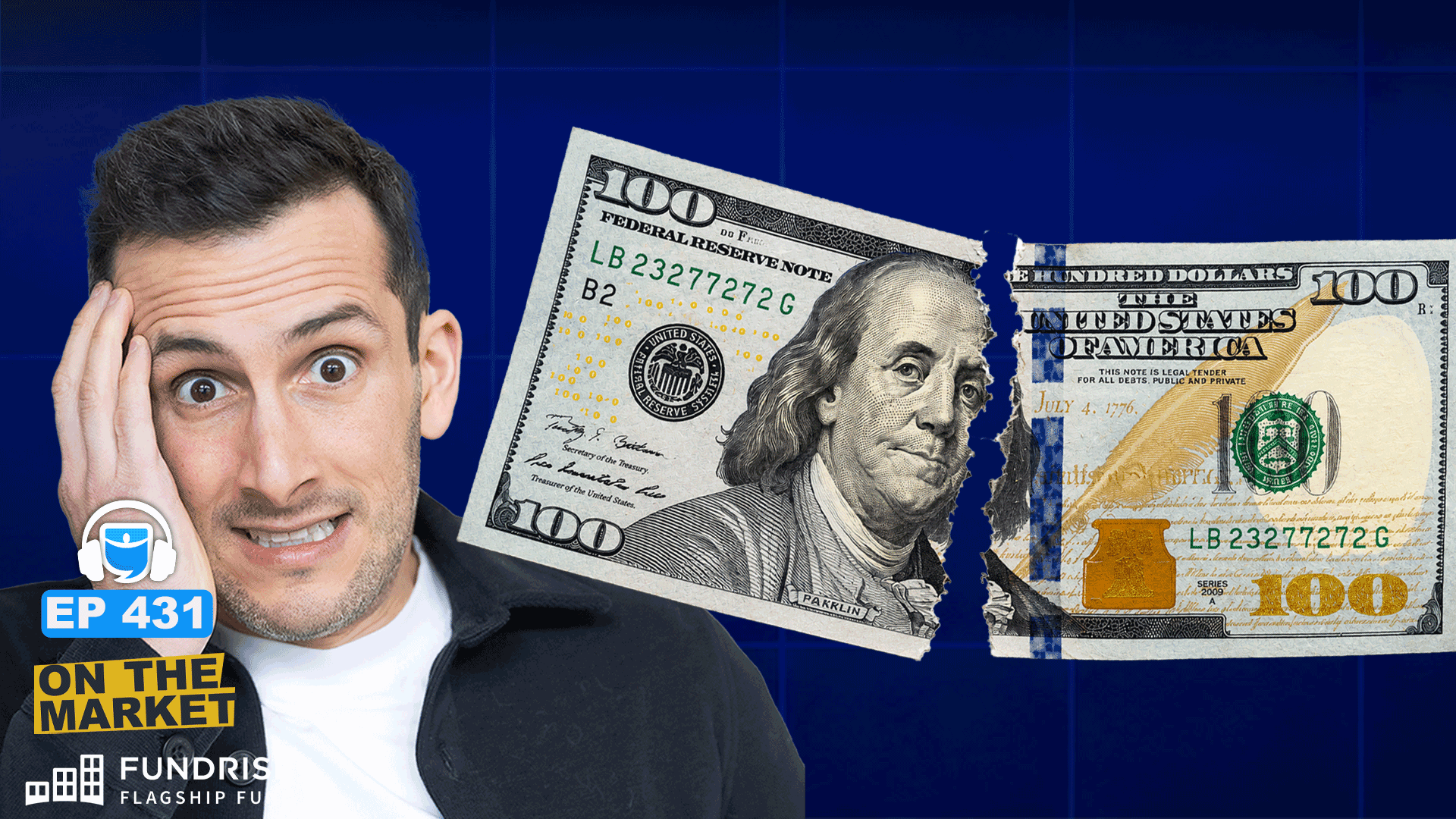
# U.S. Economic Slowdown Threatens Housing Market
The American consumer is losing momentum, and housing stands in the crosshairs. Spending patterns that drove the economy through 2023 are weakening as household savings deplete and credit card debt hits record levels. This deceleration ripples directly into real estate demand.
For buyers, this means less competition for homes in coming months. Properties that moved in days now linger on market. Sellers face pressure to reduce prices or increase incentives. Mortgage rates remain sticky around 7 percent, compressing affordability further. First-time homebuyers especially feel the squeeze as monthly payments climb on stagnant wages.
Landlords should brace for tenant struggles. Renters already spending 30 to 40 percent of income on housing will cut back elsewhere. Late payments and defaults could rise. Properties in secondary markets face occupancy headwinds before coastal metros feel pressure.
Investors face a recalibration moment. The play that worked in 2022 and 2023—buy, rent out, wait for appreciation—requires rethinking. Cap rates matter now more than price growth. Lenders tighten underwriting standards as delinquency rates creep upward.
The housing sector's role as an economic engine relies on consumer confidence and spending power. When Americans pull back on discretionary purchases and rely on credit to maintain lifestyles, home equity lines of credit dry up. Construction financing becomes harder to secure. Defaults on investment properties accelerate.
This isn't a sudden collapse. It's a grinding slowdown masking itself in employment statistics that look acceptable on the surface. But under the hood, household debt-to-income ratios hit unsustainable levels. Student loan payment resumption in October 2023 ate into housing-purchase budgets. Auto loans compete fiercely for