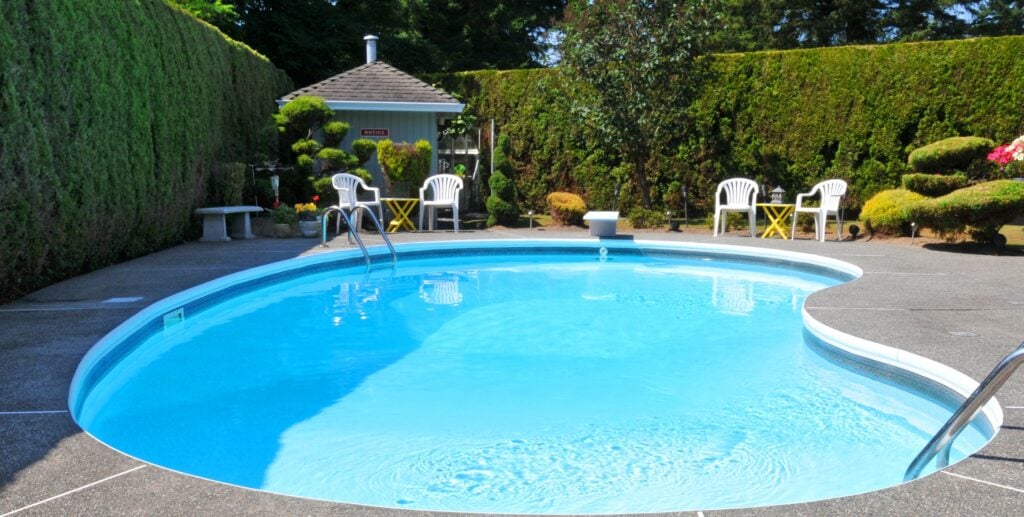
# Your Pool Is an Asset—It's Also a Lawsuit Waiting to Happen
Pools drive summer occupancy and nightly rates for short-term rental owners, but they expose property investors to significant liability risks that can wipe out profits faster than a season of vacancy.
Pools attract guests and justify premium pricing during peak season. Summer months deliver the highest occupancy rates and advance bookings investors see all year. A $2,000-per-night beachfront villa with a pool rents faster and commands higher nightly rates than identical properties without one. That financial appeal comes with a catch: poolside injuries generate the costliest litigation in vacation rental disputes.
Drowning, slip-and-fall accidents, and chemical exposure create liability exposure that standard homeowners insurance often excludes for short-term rental operations. Investors face premises liability claims ranging from $50,000 to $500,000-plus when guests injure themselves or their children on rental properties. A single drowning creates wrongful death liability that destroys investor returns for years.
Property owners must implement specific safety protocols to reduce claims. Locked gates, working drain covers, clear depth markings, and posted safety signage create documented due diligence. CPR and lifeguard certifications for staff strengthen defense positions. Liability waivers signed by guests offer limited protection but demonstrate risk awareness.
Specialized short-term rental insurance covers pool liability but costs 15 to 25 percent more than standard policies. Umbrella policies adding $1 million to $5 million in coverage cost $200 to $400 annually. These premiums compress margins during low season but protect year-round assets.
Investors weighing pool installation should calculate true carrying costs beyond mortgage and taxes. Maintenance runs $1,500 to $3,000 annually. Insurance premiums increase 20 percent minimum.