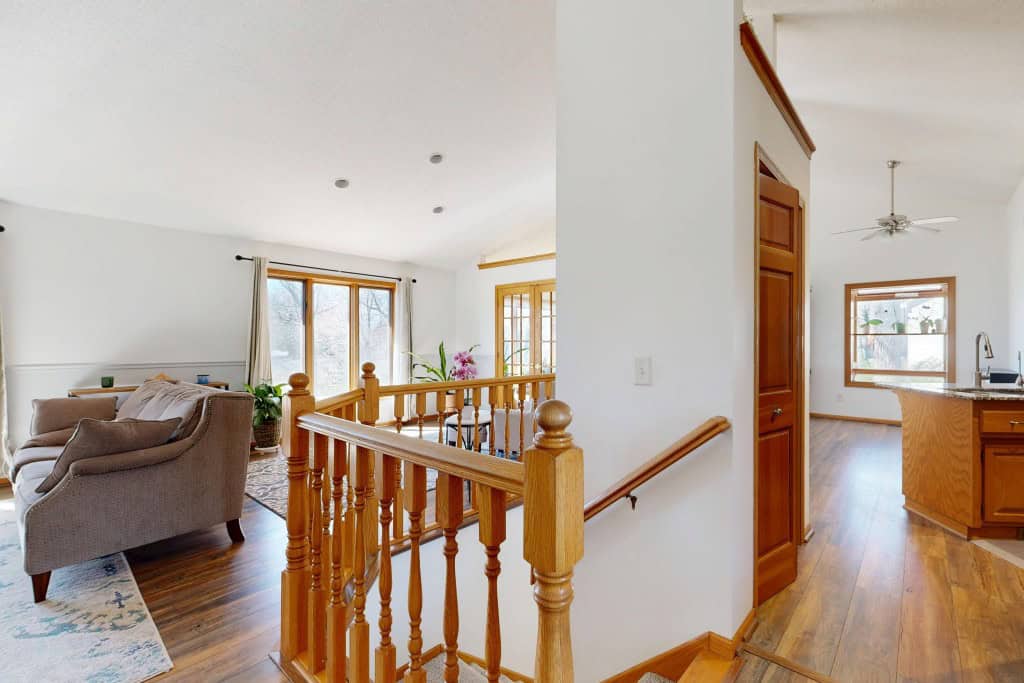
Buyers scrolling through online listings need to develop a critical eye. Listing photos reveal far more than what agents intend to show. Common red flags hide in plain sight and demand attention before scheduling a walkthrough.
Overly filtered or heavily edited photos signal trouble. When colors look artificially vibrant or lighting appears unrealistic, the actual property likely looks duller and more worn. Agents use these tactics to mask aging finishes, discolored walls, or poor natural light. Compare listing photos across multiple angles. If certain rooms vanish from the gallery, sellers are hiding something. Missing bathrooms, kitchens, or basement footage suggests renovation needs or structural concerns.
Watch for strategic camera angles. Wide-angle lenses make cramped spaces appear larger. Photos taken from doorways rather than room centers create false impressions of square footage. Rooms shot at ceiling height hide low ceilings or water stains overhead.
Cluttered or staged spaces demand scrutiny. Heavy furniture arrangement disguises awkward layouts or floor damage. Excessive staging with rental furniture indicates the home doesn't show well on its own merit. Professional staging costs money, and sellers only invest when necessary to move a problematic property.
Dark or dimly lit photos reveal poor natural lighting. If agents rely on artificial lighting in daytime shots, the home probably feels cave-like. This translates to higher electric bills and potential mold or moisture issues in poorly lit basements or crawl spaces.
Notice what's absent from photos. No exterior shots suggest landscaping problems, drainage issues, or a poor view. Missing kitchen and bathroom details hide outdated fixtures, small footprints, or tile discoloration. Absence of hardwood floor images indicates cheap carpet or worn flooring underneath.
Check listing descriptions against photo evidence. If the listing claims "updated kitchen" but photos show 2000s-era cabinets, expectations don't