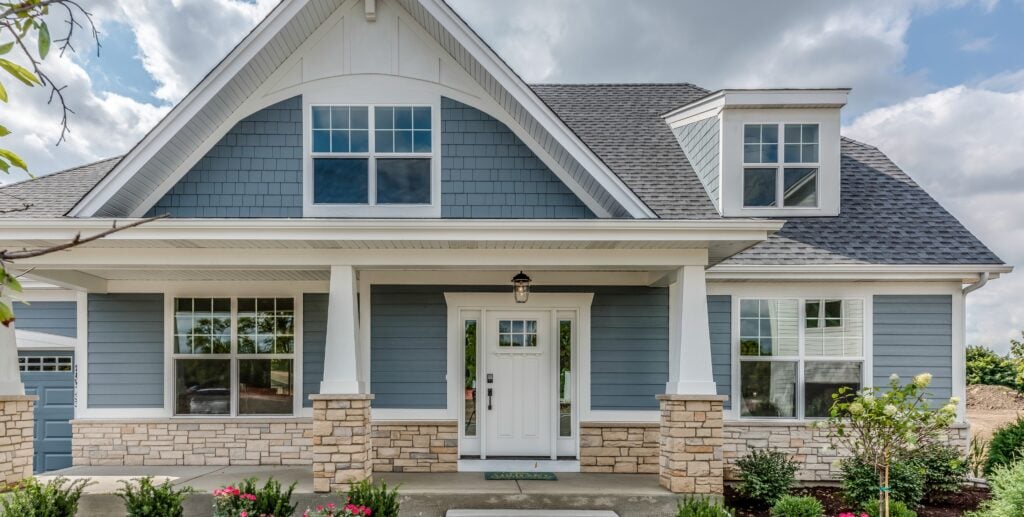
The rental market is losing ground-level housing options that entry-level tenants need most. While developers chase high-end multifamily projects loaded with amenities, affordable starter rentals vanish from portfolios across the country.
This gap creates genuine opportunity for small-scale landlords. Individual investors and mom-and-pop operators can acquire single-family homes, modest duplexes, and smaller apartment buildings in secondary markets where institutional capital ignores thin margins. These properties attract first-time renters, young professionals, and cost-conscious households priced out of luxury complexes.
The math favors nimble operators. A starter rental in markets like Memphis, Indianapolis, or Des Moines generates steady 6-8% returns with lower competition. Institutional players demand 10%+ yields and turn to expensive new construction in primary markets. Smaller investors win by accepting smaller profits and building long-term tenant relationships.
Financing remains accessible for qualified buyers. Banks increasingly reserve portfolio lending programs for non-QM borrowers and smaller projects. Hard money lenders and specialized rental programs support single-property investments that CMBS and institutional debt won't touch.
Tenants benefit directly. Entry-level renters gain housing options when supply shrinks. Landlords who provide maintained, fairly-priced starter units build loyal tenant bases and stable cash flow. These properties also hold value better than speculative luxury units during market corrections.
The strategic play involves patient acquisition. Investors should target neighborhoods with employment growth, university expansion, or manufacturing renaissance. Focus on 2-4 unit properties, class B single-family homes, and small apartment buildings in Sunbelt secondary markets and revitalized Midwest cities.
Property management costs matter more in this segment. Efficient screening, maintenance, and tenant communication separate profitable operators from burnt-out landlords. Technology platforms now automate routine tasks at 5-