This article explores Chicago's identity and attractions rather than breaking real estate news. The piece covers the Windy City's historical significance, architectural landmarks, cultural institutions, and lifestyle appeal.
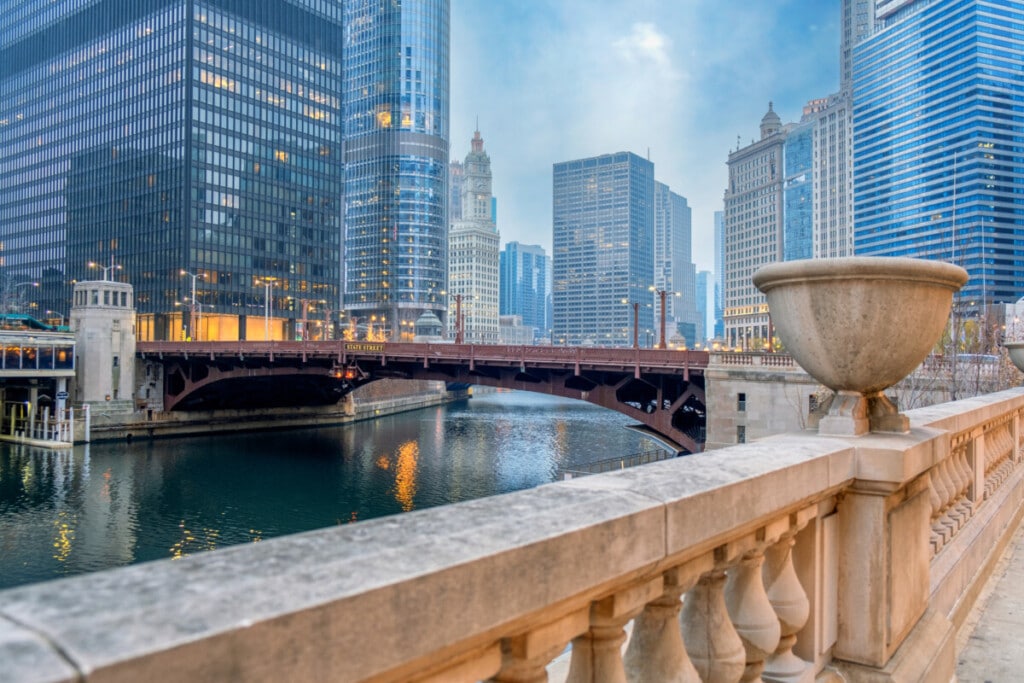
Chicago built its reputation on multiple fronts. The city's skyline defines American architecture, anchored by the Willis Tower, John Hancock Center, and modernist structures from the early 20th century. These buildings shaped how cities approached design and engineering.
The Chicago River serves as the city's centerpiece, both historically and aesthetically. The riverbank has transformed into a destination for both residents and visitors, with dining, entertainment, and recreational opportunities lining the water.
Culturally, Chicago hosts world-class institutions. The Art Institute of Chicago draws millions annually. The Field Museum, Museum of Science and Industry, and Adler Planetarium round out the museum district. Music defines the city too. Blues, jazz, and house music all claim Chicago roots.
Sports loyalty runs deep. The Cubs, White Sox, Bears, and Bulls command passionate fan bases. Wrigley Field and Guaranteed Rate Field represent baseball history in different ways.
The food scene reflects working-class roots and international diversity. Deep-dish pizza, Chicago-style hot dogs, and Italian beef sandwiches remain iconic. Neighborhoods like Pilsen (Mexican), Chinatown, and the West Loop (farm-to-table) showcase culinary range.
For real estate purposes, Chicago's brand strength matters. Properties in architecturally significant neighborhoods command premiums. Proximity to cultural institutions and the riverfront drives desirability and rental rates. Buyers and investors view Chicago as a secondary market with primary-market amenities.
The city's identity attracts both owner-occupants seeking lifestyle and investors targeting income-producing assets. Neighborhoods like the Loop, Lincoln Park, and Wicker Park maintain steady demand based on their cultural and commercial