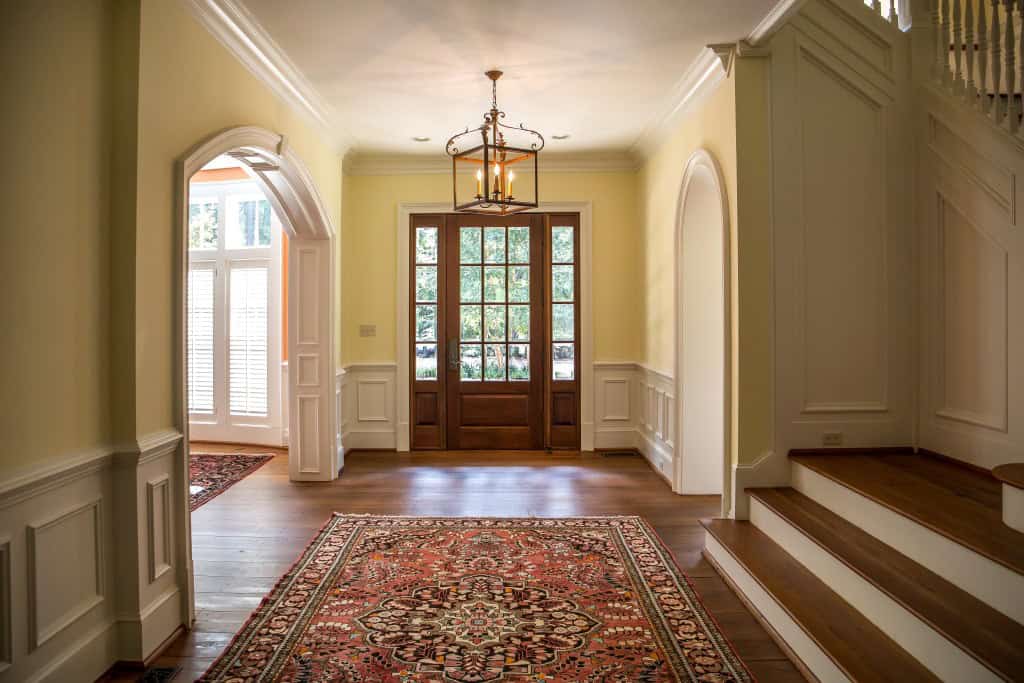
Home listing photos and descriptions serve as your first filter when hunting for a property. What buyers see online determines whether they schedule a showing or keep scrolling.
Strong listing photos matter most. Professional photography with proper lighting, clean staging, and wide-angle shots that show room flow attract serious buyers. Red flags appear when photos look dark, cluttered, or heavily filtered. Missing photos of key rooms—bathrooms, kitchens, bedrooms—signal the seller is hiding something. Count the photos too. Listings with fewer than 12 images often sell slower than those with 20 or more.
Descriptions reveal critical details that photos miss. Look for specifics: square footage, lot size, year built, number of bedrooms and bathrooms, parking, and outdoor space. Vague language matters. Terms like "cozy" often mean small. "Charming" might translate to outdated systems. "Needs TLC" flags renovation costs ahead.
Pay attention to what the description avoids. No mention of the roof age, foundation condition, or HVAC system? These omissions suggest potential problems. Honest sellers disclose issues upfront. Check whether the listing mentions recent updates, permits for work completed, and special features like solar panels or smart home tech.
Market-savvy descriptions tell you what the seller knows buyers want. In hot markets, listings emphasize walkability and commute times. In slower markets, descriptions stress value and condition. This reveals whether the property fits current demand.
For renters reviewing landlord listings, the same rules apply. Professional photos and detailed descriptions indicate a professional landlord. Vague postings or incomplete information suggest less reliable management. Missing photos of shared spaces like hallways, laundry areas, or parking lots mean you won't know what you're renting.
Smart buyers and tenants cross-reference listing photos with property records, tax assessments,