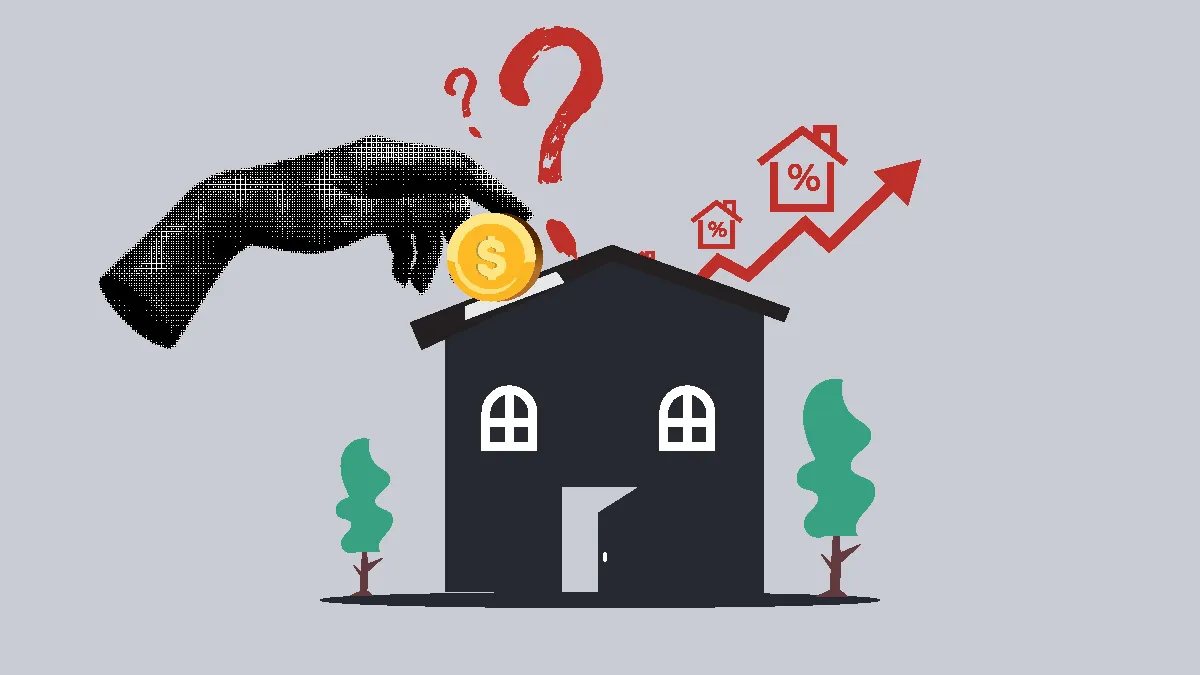
Mortgage rates hovering near 6.60% will shape buyer behavior through the second half of 2026, with demand sustainability becoming the central question for the housing market.
Buyers face a critical threshold. At 6.60%, monthly payments on a $400,000 mortgage stretch to roughly $2,400 before taxes and insurance. First-time homebuyers, already priced out of many markets, will likely remain on the sidelines. Move-up buyers with existing home equity have more flexibility, but they too will hesitate if rates don't budge lower.
Inventory conditions tighten significantly starting in July. Comparable home sales dwindle during summer months as fewer sellers list during vacation season and back-to-school expenses. Sellers who do list face sparser competition, which should support prices. Buyers encounter fewer choices and faster-moving markets. This dynamic historically favors sellers, but only if buyer demand holds firm.
The real wildcard sits in the Fed's next moves on interest rates. Market watchers expect no major rate cuts before autumn at earliest. A stubborn 6.60% rate through July and August could suppress buyer urgency, leading to slower home sales and potential price softening in fall months.
For sellers, the July-through-September window presents a window. Fewer homes on market typically translate to multiple offers and bidding wars, especially for well-positioned properties in desirable school districts or walkable neighborhoods. Sellers should list early in summer to capture peak buyer attention before comps tighten.
Landlords and investors will monitor whether single-family home sales momentum fades. Weaker owner-occupant demand sometimes pushes portfolios toward rentals, potentially stabilizing or boosting multifamily rent growth.
The second half of 2026 ultimately depends on whether buyer demand persists despite rate resistance. If buyers retreat, inventory