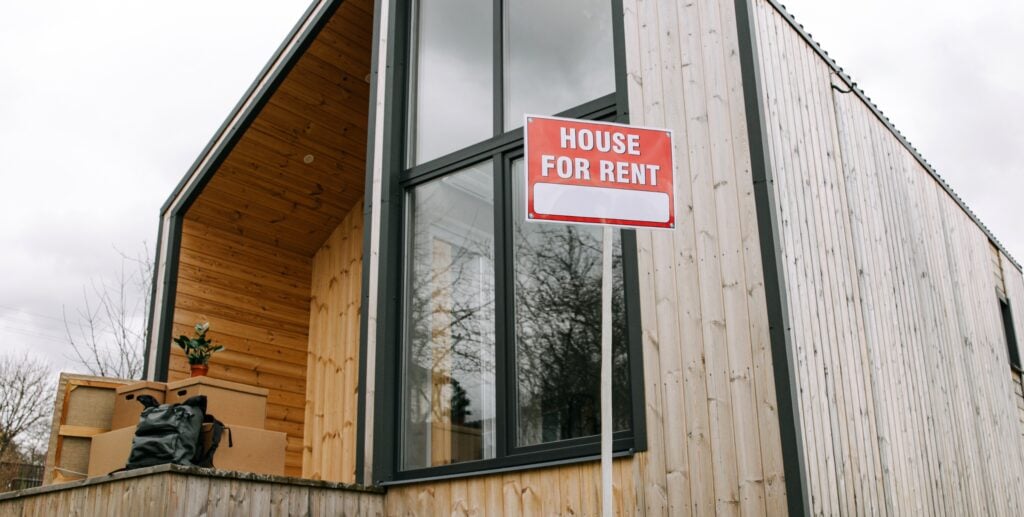
Landlords across major U.S. markets face mounting pressure to fill units as new apartment supply floods the Sunbelt and Northeast. The shift has swung negotiating power decisively toward tenants.
Offering concessions has become standard practice for landlords managing large multifamily developments. These range from one month free rent to waived application fees, reduced security deposits, and covered parking. Some properties now bundle multiple incentives to attract renters quickly.
For landlords, the math is straightforward. A vacant unit generates zero revenue. A concession costs money upfront but fills the unit and ensures rental income for twelve months or longer. In competitive markets, the choice between losing a tenant to a competitor or offering a modest incentive favors action.
Tenants benefit directly. A one-month concession on a $1,500 apartment effectively reduces the first-year rent to $1,386 monthly. Application fee waivers save $50 to $75. Rent reductions compound over lease terms. Savvy renters now negotiate these perks as standard terms, not bonuses.
Sellers should note that concessions inflate effective vacancy rates and reduce net operating income. A property offering aggressive inducements appears less stable to buyers than one achieving full occupancy at asking rates. This impacts valuations.
Investors eyeing apartment acquisitions in the Sunbelt and Northeast must account for concession trends when modeling unit economics. Properties in Austin, Nashville, Phoenix, Charlotte, and New York suburbs face higher leasing costs than historical norms. Investors should analyze rent rolls carefully to distinguish actual collected rent from advertised rates.
For property managers, timing matters. Leasing faster reduces marketing spend and administrative costs. However, overly generous concessions can trigger negative comps, forcing future rent reductions across the portfolio. Many properties now limit concessions to specific units or lease terms to