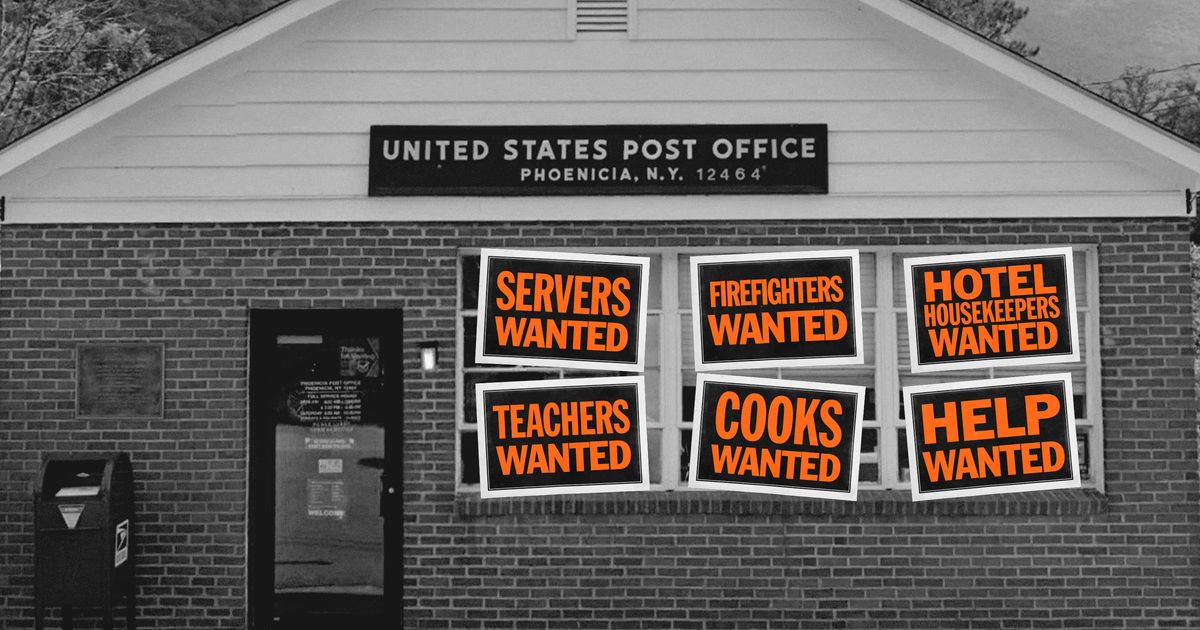
Upstate New York towns in the Catskills face a staffing crisis that threatens fire response times and property values. Full-time firefighters retire or leave for more affordable regions where housing costs don't consume half their salaries. Volunteer firefighter ranks collapse as second-home owners occupy properties year-round but lack commitment to local services.
The math is brutal. A firefighter earning $45,000 to $55,000 annually cannot afford a median home price of $350,000 to $400,000 in popular Catskills towns. Young career firefighters choose departments in Hudson Valley or downstate communities where salaries track housing costs more realistically. Retiring career firefighters further deplete institutional knowledge.
Volunteer departments that once fielded 40 to 50 active members now struggle to maintain 15. Second-home owners, concentrated in towns like Woodstock, Saugerties, and Kingston, own properties but spend weekends or summer months away. Their absence means fewer bodies available for emergency calls during peak tourist and recreation seasons, paradoxically when accident rates climb.
The problem cascades. Insurance premiums rise when response times lengthen. Property values soften if fire ratings drop. Developers hesitate to invest in towns with poor emergency coverage. Small municipalities lack budgets to hire paid crews outright.
Some towns experiment with hybrid models, combining career and volunteer staff. Others recruit from surrounding regions or offer modest housing incentives. Delaware County explored loan forgiveness programs for firefighters willing to settle permanently.
The Catskills remain destination property for wealthy buyers seeking rural retreats. But without staffing solutions, the region's fire infrastructure degrades. Homeowners pay more for worse protection. Renters and year-round residents absorb the costs of a system built to serve absent second-home owners.
Towns must choose between raising taxes to fund