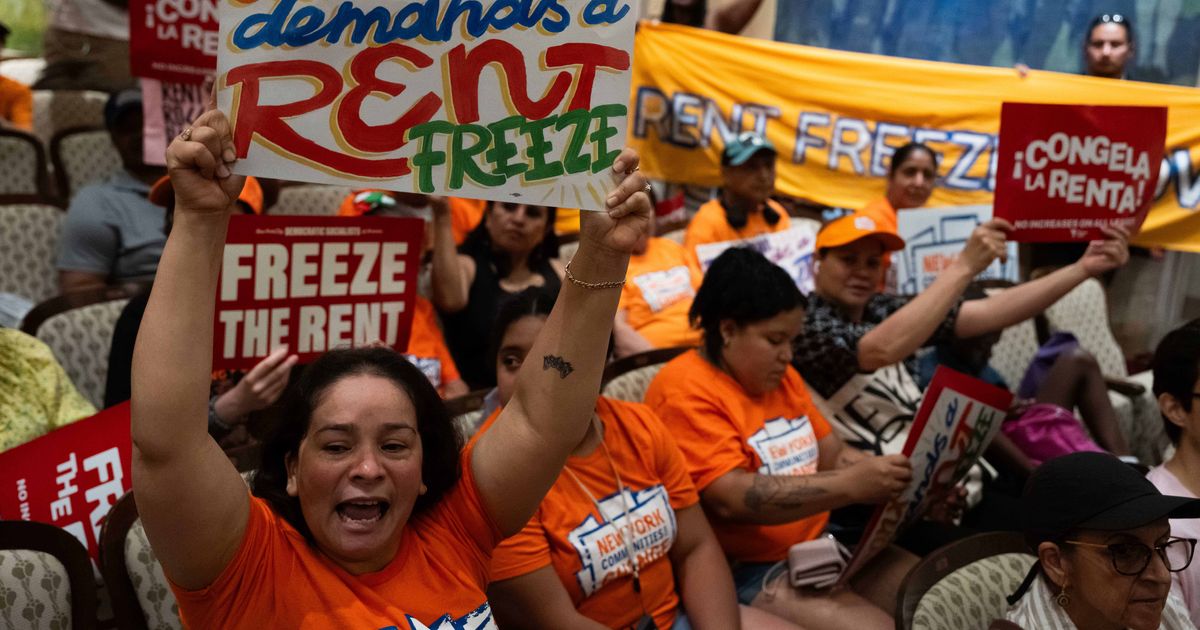
The New York City Rent Guidelines Board voted to freeze rents on rent-stabilized apartments for the first time in nearly four decades. The decision affects roughly 966,000 apartments across the city, most of them in Manhattan and the outer boroughs where stabilized units remain concentrated.
Mayor Eric Adams campaigned on delivering a rent freeze and delivered. The board's vote represents a historic shift in tenant protections. Landlords will see zero increase in legal rents for the coming lease year, marking the first time since 1983 that the board imposed a true freeze rather than allowing even modest annual bumps.
For tenants in stabilized units, this translates directly to savings. Renters facing lease renewal will pay identical rates to their current leases. For a studio renter paying $1,200 monthly, that means $14,400 stays in their pocket over a year compared to even a 2 percent increase.
Landlords operating stabilized buildings face margin compression. Property owners already dealing with rising labor costs, utilities, and maintenance expenses now cannot pass any costs forward to tenants. Some smaller operators may struggle to absorb expenses without cutting corners on services or maintenance.
The decision applies to lease renewals beginning October 2023. Roughly 22,000 leases renew each month across the city. Tenants at lease-signing time gain genuine leverage. Landlords lose flexibility in revenue management.
Market-rate apartments remain unaffected. Owners of unregulated buildings can raise rents as market conditions allow. This creates a two-tiered system where stabilized tenants enjoy protection while unregulated tenants face continued pressure.
The freeze addresses the affordability crisis in a city where median rents top $4,000 for a two-bedroom. Tenant advocates view the decision as essential relief during inflation. Landlord groups argue the freeze prevents