# New Construction Homes: Weighing the Real Trade-Offs for Buyers
Buyers considering new construction face distinct advantages and drawbacks that differ sharply from purchasing existing homes.
New construction offers modern systems and energy efficiency. Homes built to current building codes feature updated electrical wiring, HVAC systems, and insulation standards that reduce utility costs. Buyers receive builder warranties covering structural defects and major systems for set periods, typically one to ten years depending on the component. Customization options let buyers select finishes, layouts, and materials before construction begins. The homes arrive move-in ready with no surprises from hidden damage or deferred maintenance.
The trade-offs merit serious consideration. New construction typically costs more per square foot than comparable resale homes in the same area. Buyers pay for the latest materials and labor inflation. Construction timelines slip regularly. Delays push closing dates forward, creating financing complications and uncertainty. Buyers cannot inspect a finished product before committing. They rely on builder reputation and contract terms for recourse if construction quality falls short.
Location constraints limit new construction options. Developments cluster in specific areas based on land availability and zoning permissions. Buyers sacrifice established neighborhoods with mature trees, existing utility infrastructure, and proven community character for newer subdivisions still taking shape.
Financing presents another consideration. Some lenders treat new construction differently, requiring larger down payments or offering higher rates. Builders sometimes offer incentives like closing cost assistance or design upgrades to move inventory faster.
The builder's financial stability matters. If developers face bankruptcy during construction, projects stall and buyer protections weaken. Checking builder track records and asking about completion dates provides protection.
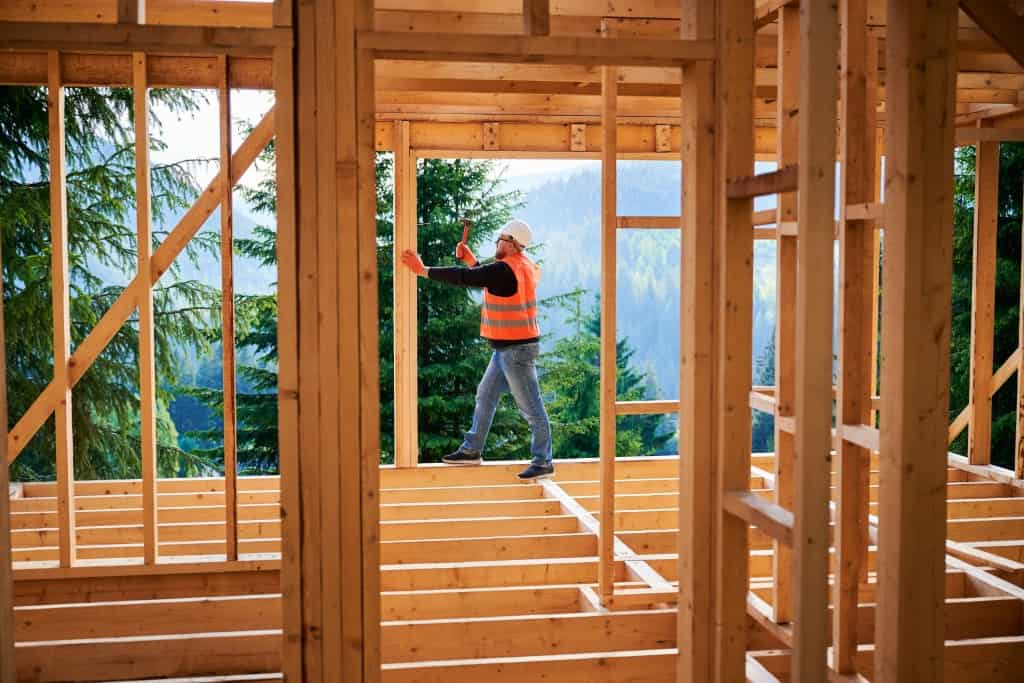
Buyers should request independent home inspections at framing, before drywall closure, and at final walkthrough. Standard builder inspections often miss issues. Hiring a third-party inspector catches construction defects before closing.