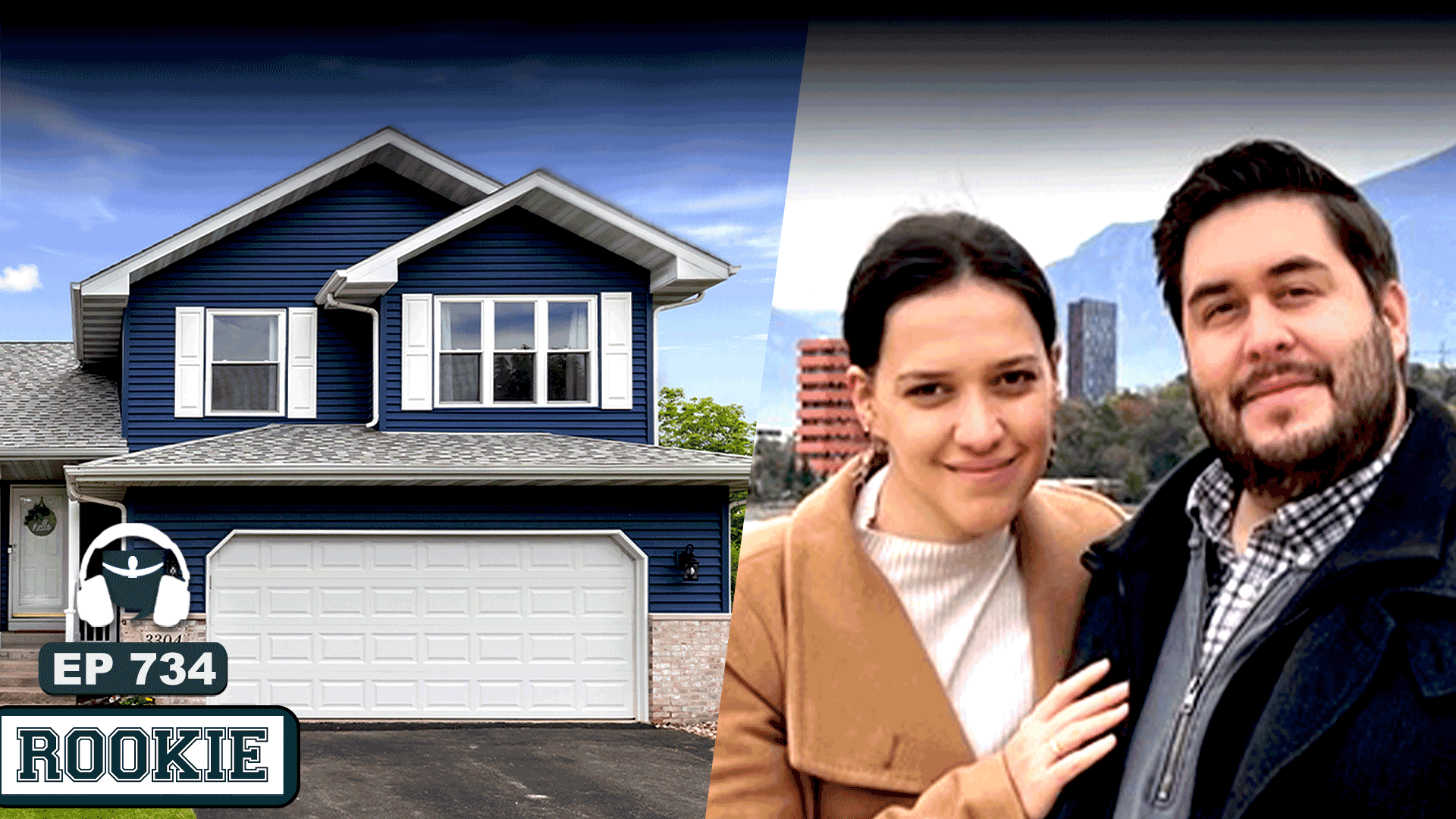
James and his wife Aida faced a stark reality at their kitchen table. With $200,000 in student loan debt between them, the couple chose house hacking as their escape route rather than accepting three decades of loan payments.
House hacking works by purchasing a multi-unit property, living in one unit, and renting out the others. The rental income covers the mortgage, property taxes, insurance, and maintenance. This approach lets borrowers build equity while tenants effectively pay down their debt.
For James and Aida, the math changed everything. Instead of watching $200,000 disappear into the federal loan system over 30 years, they could redirect that money into real estate. Their first property would function as both their home and an income-generating asset. Each month, renters covered their housing costs, freeing up cash to attack the student debt aggressively.
The strategy appeals to younger professionals carrying substantial education loans. Rather than choosing between homeownership and debt repayment, house hackers do both simultaneously. A two-unit duplex lets one owner live free while collecting rent. A four-unit allows the owner to occupy one unit while three tenants' payments roll in.
House hacking requires discipline. Owners become landlords immediately, handling tenant screening, maintenance coordination, and rent collection. Property management takes time. Bad tenants create headaches. Vacancies hurt cash flow. But when structured properly, the rental income accelerates debt payoff dramatically compared to standard loan repayment schedules.
James and Aida's path shows the real estate leverage advantage. They transformed a liability (student debt) into motivation for an asset purchase (rental property). Their tenants subsidize their education while they build home equity and wealth.
This strategy works best for owners willing to take on landlord responsibilities, who live in markets with positive rental income relative to purchase prices, and who can