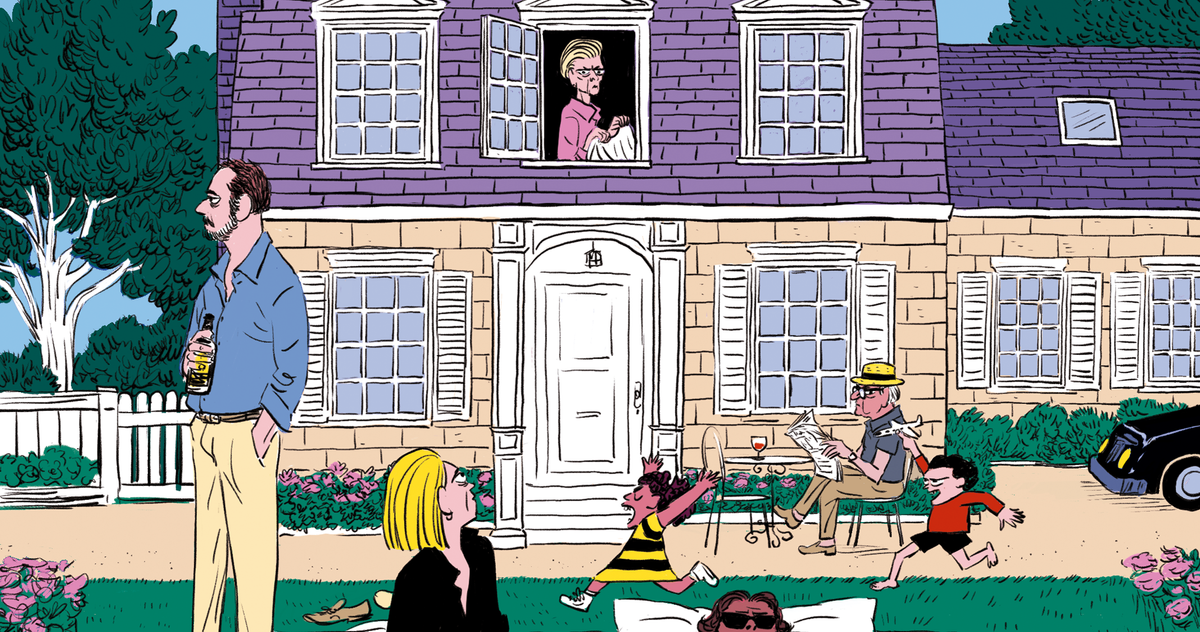
Adult children are moving back into their parents' Hamptons homes for extended summer stays, driven by an unaffordable housing market that makes independent living impossible for many middle-aged professionals.
The Hamptons, traditionally a playground for wealthy seasonal residents, now hosts a growing population of boomerang adults who cannot afford their own properties in today's market. These aren't young adults fresh out of college. Many are established professionals in their 40s and 50s facing staggering real estate prices across the Northeast.
For parents who own Hamptons properties outright or carry manageable mortgages, hosting adult children offers a practical solution for their kids. The arrangement lets adult children avoid renting or buying in overheated markets where entry-level homes exceed $500,000 in many desirable areas. Parents benefit from companionship and help with household expenses during peak summer months.
The irony cuts both ways. Parents offer shelter in beautiful second homes they own, yet the arrangement reinforces the reality that professional salaries no longer support independent housing. The dynamic reveals a generational wealth divide. Those with parents holding real estate assets gain a safety valve. Those without parental properties face continued market pressure.
Hamptons rental rates remain steep, with summer homes commanding $50,000 to $150,000 monthly for modest properties. Purchasing requires liquidity most working professionals lack. This squeeze pushes accomplished adults back into childhood bedrooms, albeit in oceanfront settings.
The trend reflects broader housing strain affecting American families. Household formation has stalled. Millennials and Gen X professionals delay family formation and major purchases. Parents increasingly function as a housing safety net, particularly in expensive markets like the Hamptons, Long Island, and coastal Connecticut.
Real estate agents report inquiries from adult children seeking independent housing, but affordability remains the barrier. Mortgage lenders require substantial down payments. Property taxes in