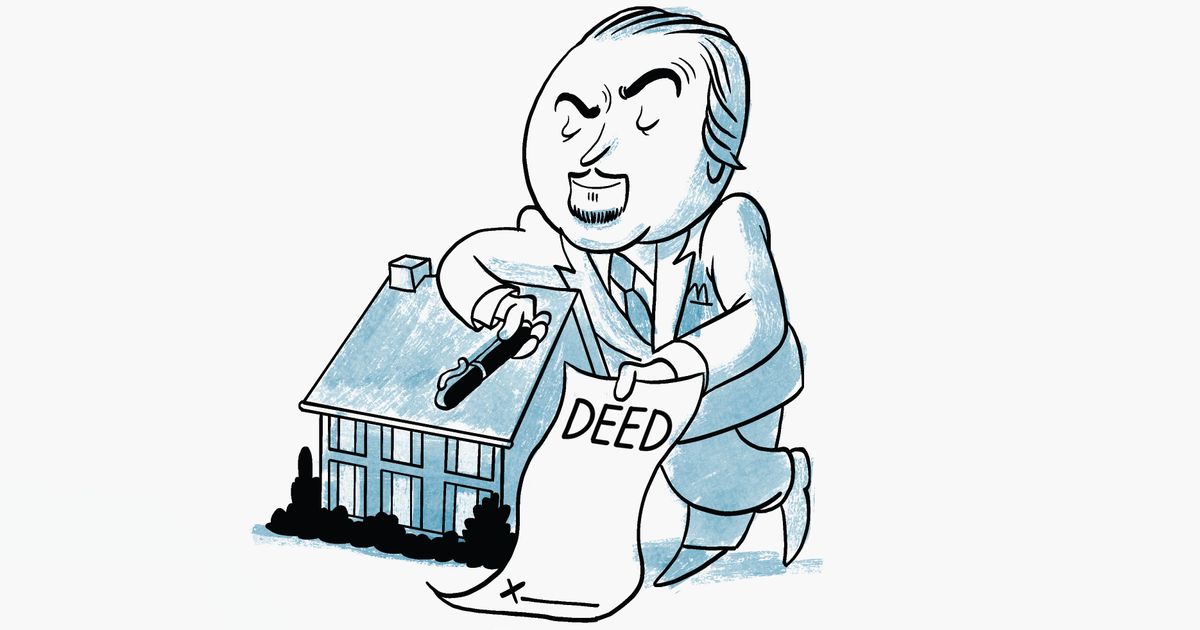
Michael O'Sullivan ran a scheme targeting Long Island homebuyers and property owners through fraudulent deed manipulation. Operating over several years, O'Sullivan promised clients legitimate real estate transactions but instead orchestrated illegal document filings that clouded property titles and trapped victims in extended legal battles.
The scam exploited common vulnerabilities in the deed recording system. O'Sullivan would file false liens, forge signatures, and submit fraudulent transfer documents to county records offices. Victims discovered the fraud only after attempting to refinance, sell, or refinance their homes. By then, O'Sullivan had vanished, leaving property owners saddled with expensive title insurance claims, legal fees, and delayed transactions.
Multiple Long Island residents reported losing hundreds of thousands of dollars. Some couldn't access their home equity. Others faced foreclosure threats when lenders discovered clouded titles. The scheme particularly targeted elderly homeowners and first-time buyers unfamiliar with recording system safeguards.
Law enforcement eventually identified O'Sullivan and connected him to dozens of fraudulent filings across Nassau and Suffolk counties. Authorities recovered partial documentation showing systematic fraud across residential properties valued between $300,000 and $1 million.
The fallout extends beyond individual victims. Title insurance companies absorbed significant claims. County recording offices tightened verification procedures. Real estate attorneys across Long Island now conduct enhanced title searches before closing.
For buyers and sellers, the O'Sullivan case underscores the necessity of title insurance and professional title searches. Working exclusively with licensed brokers and attorneys reduces exposure to document fraud. Homeowners should monitor their deed records regularly through county assessor websites.
This scheme represents a broader vulnerability in how American property records remain vulnerable to exploitation. While digital recording systems have improved verification, determined fraudsters still exploit gaps between filing and discovery. Long Island's experience demonstrates that even in established real estate markets, title fraud remains a persistent threat requiring vigilance from all parties