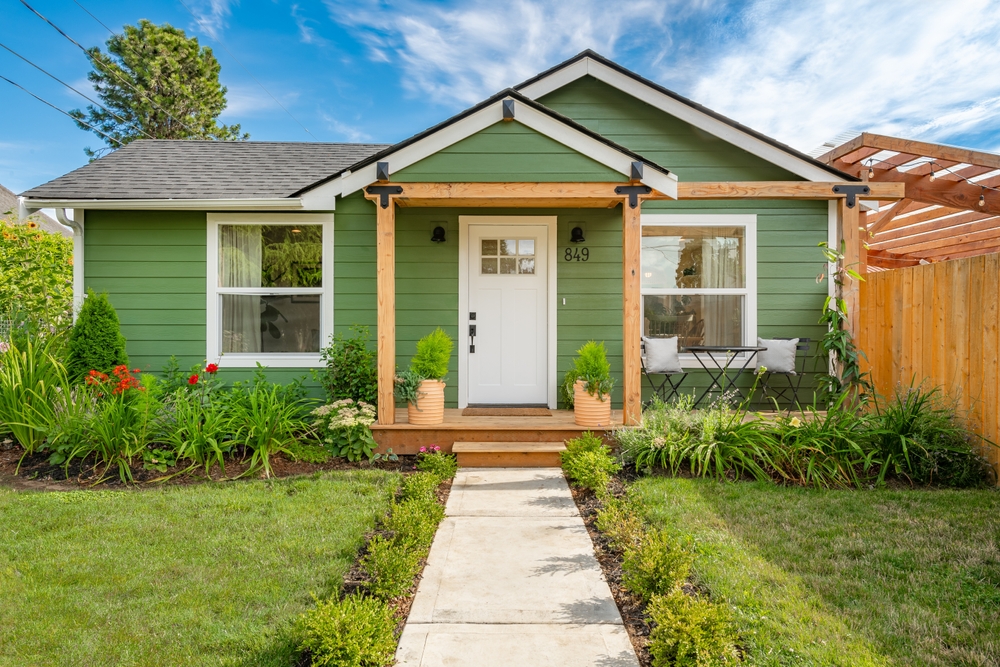
# Starter Homes Are Vanishing From the Market
The traditional starter home has become a rarity in today's housing market. First-time buyers searching for affordable entry-level properties face a shrinking inventory and rising prices that push homeownership further out of reach.
The problem stems from multiple factors. Homeowners who purchased affordable starter homes years ago now hold mortgages at historically low interest rates, making them reluctant to sell and refinance at current rates. Builders prioritize larger, higher-margin homes over modest starter properties. Investors and cash buyers snap up what limited affordable inventory exists, converting them to rental properties rather than owner-occupied homes.
This dynamic reshapes options for first-time buyers. Many now look at older, smaller homes that need renovation instead of move-in-ready properties. Others stretch budgets to purchase homes with more square footage than they actually need. Some delay homeownership entirely, prolonging renter status and delaying wealth-building through equity accumulation.
For sellers, the shift creates opportunity. Owners of modest homes in desirable neighborhoods can command premium prices from buyers with limited options. Even dated, smaller properties attract multiple offers in competitive markets.
Landlords benefit from this squeeze. The scarcity of affordable purchase options drives tenant demand and supports rental rate growth. Institutional investors actively acquire homes below $400,000 in many metros, further reducing owner-occupancy opportunities.
Younger buyers and lower-income households face the toughest headwinds. Without affordable starter homes, they struggle to build equity, accumulate down payments for future moves, or establish credit through mortgage history. The wealth gap widens as property ownership concentrates among existing homeowners and institutional investors.
Some markets still offer starter homes. Secondary cities and regions with slower growth maintain more entry-level inventory than coastal metros. Rural areas and Rust Belt communities provide affordable options, though job