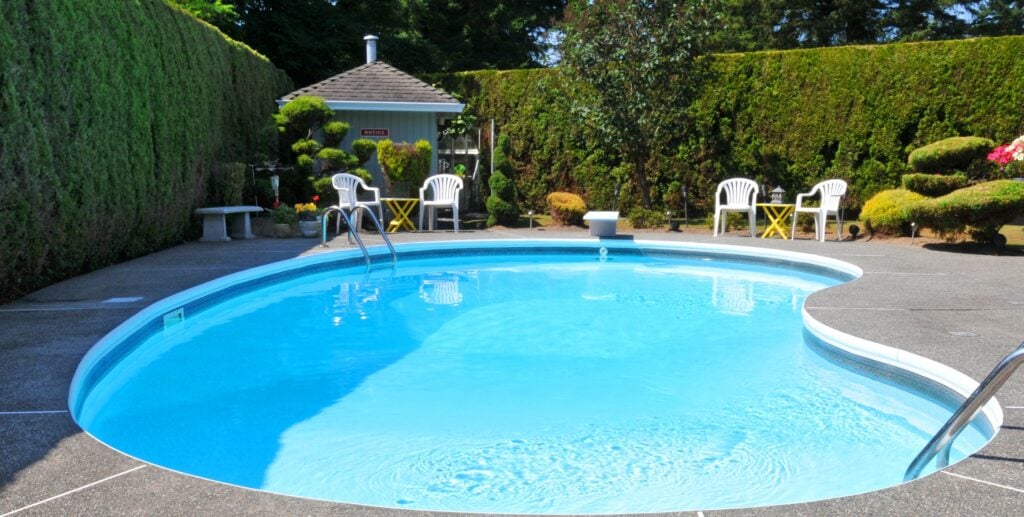
Swimming pools boost short-term rental income during peak summer months, but they expose owners to serious liability risks that many investors overlook.
Pool-equipped vacation properties command premium nightly rates and attract longer bookings during June through August. Occupancy climbs as families prioritize properties with amenities. Yet this revenue advantage comes with legal exposure. Drowning remains the leading cause of unintentional injury death for children ages one to four, and property owners face substantial liability when incidents occur on their premises.
Short-term rental operators with pools need specific insurance coverage beyond standard homeowners policies. Standard policies often exclude or severely limit liability protection for rental properties. Vacation rental insurance specifically covering guest injuries, including pool-related incidents, costs more but proves essential. Operators should verify their policies cover medical payments, legal defense, and jury awards up to at least $1 million.
Physical safety measures reduce both risk and insurance premiums. Installing four-sided fencing around the pool with self-closing gates, maintaining compliant drain covers per federal law, posting depth markers, and keeping rescue equipment poolside demonstrate due diligence. Many states mandate CPR-certified staff or automated external defibrillators at rental pools.
Landlords should also require guests to sign liability waivers acknowledging pool risks. Waivers cannot eliminate legal responsibility entirely, but they document that guests understood the dangers. Clear rules about supervision requirements, alcohol restrictions, and hours of pool access belong in rental agreements.
For investors in markets where pools significantly boost summer rates, the income premium often justifies the liability expense. However, properties in cooler climates or with lower seasonal demand may not generate enough additional revenue to offset heightened insurance costs and legal risk. Investors must calculate the actual revenue gain against increased insurance premiums, potential claim deductibles, and the costs of upgrading safety infrastructure.
Properties without pools eliminate this liability category entirely