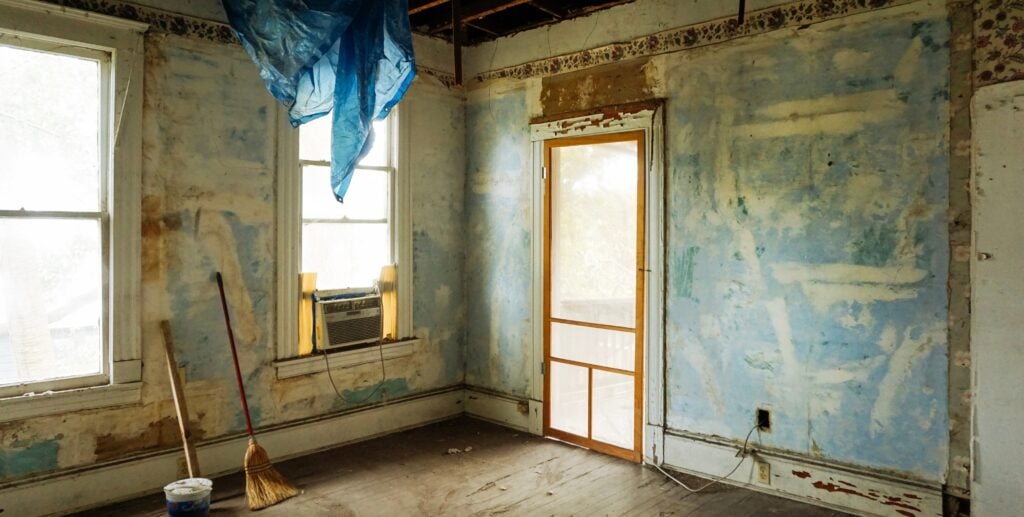
An out-of-state investor closed on a severely damaged property after discovering burst pipes and extensive water damage during the final walkthrough, completing the purchase despite the crisis. The investor, pursuing a portfolio strategy targeting 20 rental properties, proceeded with the acquisition rather than walking away from the deal.
The property came from a hoarder situation, compounding the water damage with structural and sanitation concerns. The investor's team approached the problem systematically, treating it as a repositioning opportunity rather than a lost cause. This decision reflects a core difference between successful rental investors and those who exit the market.
The buyer's willingness to absorb catastrophic foundation issues and remediation costs speaks to a disciplined investment framework. Rather than viewing the burst pipes as a dealbreaker, the investor calculated the repair costs against the long-term hold value and cash flow potential. This requires deep knowledge of local construction costs, contractor networks, and rental market rents in his target area.
For out-of-state investors, this approach carries higher risk. The buyer cannot oversee repairs personally and depends entirely on his local team's execution and honesty. Miscalculations on remediation timelines or labor costs can rapidly erode projected returns. Insurance coverage becomes critical, though policies typically exclude damage from deferred maintenance or pre-existing conditions, meaning the investor absorbs significant costs.
The strategy works when investors have three things: capital reserves to cover unexpected repairs, reliable local contractors with proven track records, and accurate market data on rental rates and property appreciation. The 20-property target signals a scalable model where single mistakes sting but don't derail the overall portfolio.
For sellers, this illustrates that distressed properties find buyers willing to close despite major defects if the price reflects the damage. For would-be rental investors, it demonstrates that rehab deals require honest assessment of repair budgets and honest communication with local teams who execute the