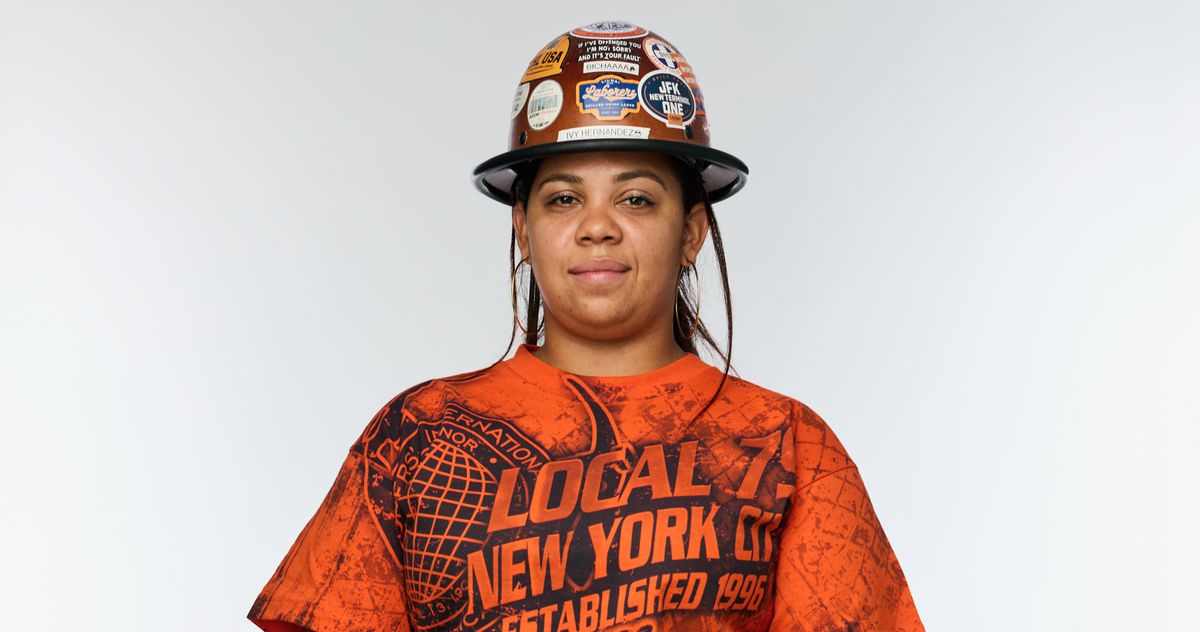
Union apprentices and seasoned construction workers sharpened their skills at the Mason Tenders Local 79 training facility in Long Island City this week. The certification classes brought together newcomers entering the masonry and construction trades with experienced union members seeking professional development and credential updates.
Local 79, which represents mason tenders and laborers across New York City, operates one of the region's most established training centers. The Long Island City facility provides hands-on instruction in safety protocols, material handling, and specialized masonry techniques required for commercial and residential projects throughout the five boroughs.
Apprenticeship programs like this one form the backbone of New York's construction workforce. Trainees gain certified skills that qualify them for union jobs paying union scale wages, currently ranging from $35 to $60 per hour depending on experience level and specialization. For workers, union certification opens doors to stable employment on major development projects across Manhattan, Brooklyn, Queens, and the Bronx.
Construction companies benefit from this pipeline. Certified union workers bring standardized training and accountability to job sites, which reduces liability and improves project timelines. Major developers increasingly rely on union labor for both residential and commercial work, making training programs essential infrastructure for the industry.
For the broader New York market, a robust apprenticeship system keeps residential and commercial construction moving. Major projects in Long Island City itself, including luxury residential towers and office developments, depend on a steady supply of trained laborers. Without programs like Local 79's, construction costs rise and project schedules slip.
The certification classes address an ongoing challenge in construction hiring. Turnover remains high, and qualified workers consistently command premium wages. Developers and general contractors competing for talent now view union training partnerships as competitive advantages, ensuring they can staff projects reliably.
Local 79's training center continues to graduate workers into a construction market where skilled labor remains the limiting factor. As New York builds