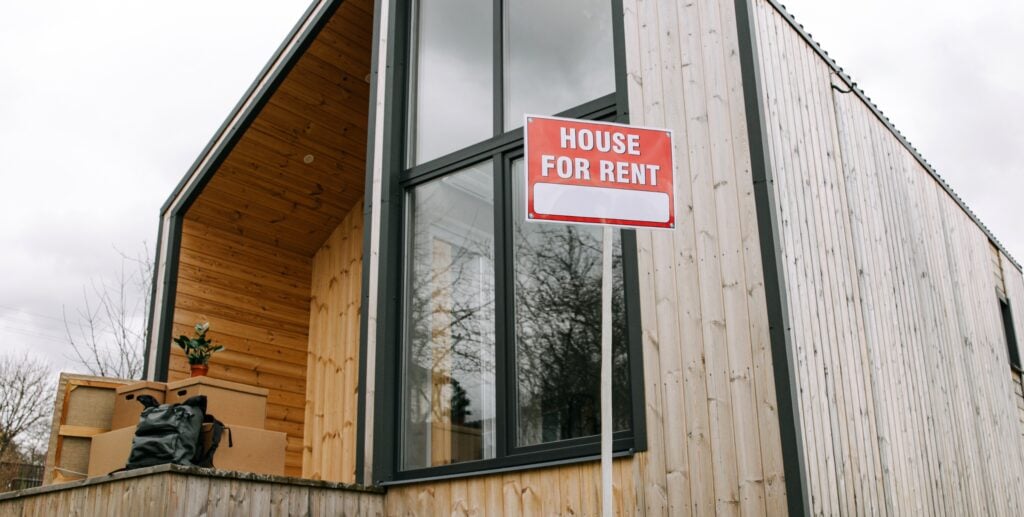
Landlords managing large multifamily developments across the Sunbelt and Northeast are increasingly offering concessions to fill vacant units faster as new supply floods the market. The glut of newly constructed apartments has shifted negotiating power firmly to tenants, forcing owners to sweeten deals beyond base rent alone.
Concessions typically include one month free rent, reduced security deposits, waived application fees, or below-market lease rates. In tight markets like Austin, Charlotte, and Raleigh, these incentives have become standard practice. Atlanta and Nashville landlords report offering concessions on 30 to 40 percent of new leases to maintain occupancy targets.
For landlords, the calculus is straightforward. A two-week vacancy costs more than one month free rent when accounting for lost revenue and marketing expenses. Carrying costs on construction debt remain steep, making occupancy velocity a priority. Large operators like Greystar and AvalonBay have publicly acknowledged using concessions as a leasing tool.
Tenants benefit from this dynamic. Renters shopping in markets with high vacancy rates should negotiate aggressively. Asking for concessions during lease signing carries minimal risk when competition for tenants is fierce. First-time renters and those with modest credit scores now have realistic pathways to approval that didn't exist two years ago.
For existing tenants considering renewal, concessions matter less. Landlords rarely discount renewals at the same rate they discount new leases, creating incentive to shop the market every 12 months. Long-term renters should expect 3 to 5 percent rent increases on renewal, even with significant concessions available to new residents.
Small multifamily owners face harder choices. Unlike institutional players managing hundreds of units, mom-and-pop landlords with five to ten units cannot absorb extended vacancies. Some offer concessions selectively.