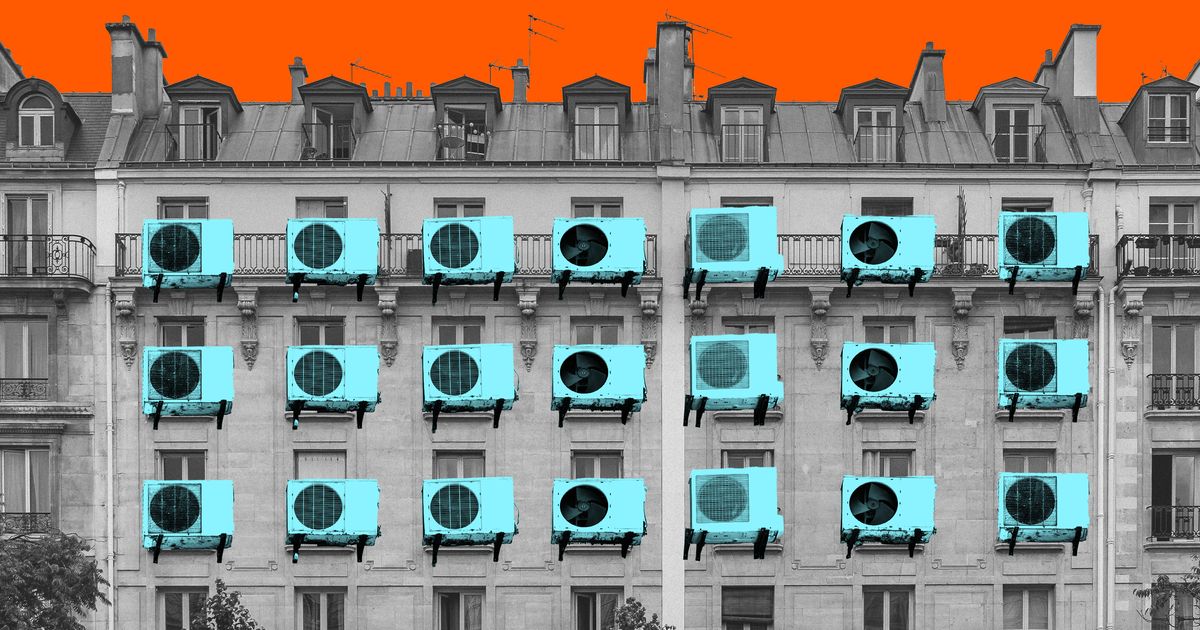
France's resistance to air-conditioning in residential and commercial buildings has collided with reality as summer temperatures climb. Property owners and tenants across Paris and other French cities face sweltering conditions in homes and offices designed without cooling systems, a cultural preference that now costs money and comfort.
French architects and developers have long viewed air-conditioning as unnecessary, energy-wasteful, and antithetical to European building traditions. This philosophy shaped decades of construction. Apartments lack window units. Office buildings rely on open windows and cross-ventilation. New regulations prioritize passive cooling over mechanical systems.
The problem worsens each summer. Heatwaves blanket Europe. Indoor temperatures in Paris regularly exceed 95 degrees Fahrenheit. Tenants suffer. Productivity drops. Property values face pressure as buyers and renters increasingly demand climate control.
Landlords now confront rising costs. Installing air-conditioning in older Parisian apartments requires structural work, ductwork, and electrical upgrades. A single unit retrofit costs thousands of euros. Building-wide systems cost significantly more. Owners who refuse upgrades risk tenant turnover and lower rental rates.
The rental market feels the shift first. Tenants with resources flee to newer buildings or suburbs with proper cooling. Older properties in central Paris see vacancy rates climb. Landlords must choose: invest in climate control or accept lower occupancy and rental income.
Developers building new properties now include air-conditioning as standard, recognizing market demand. This marks a generational shift. Insurance companies begin factoring heat resilience into property valuations. Banks increasingly scrutinize older buildings lacking climate systems.
For buyers, this means renovation costs rise. Properties without air-conditioning trade at discounts compared to equipped alternatives. Sellers in Paris face longer marketing timelines if cooling absent.
The French government has resisted mandating air-conditioning, citing environmental concerns. But market