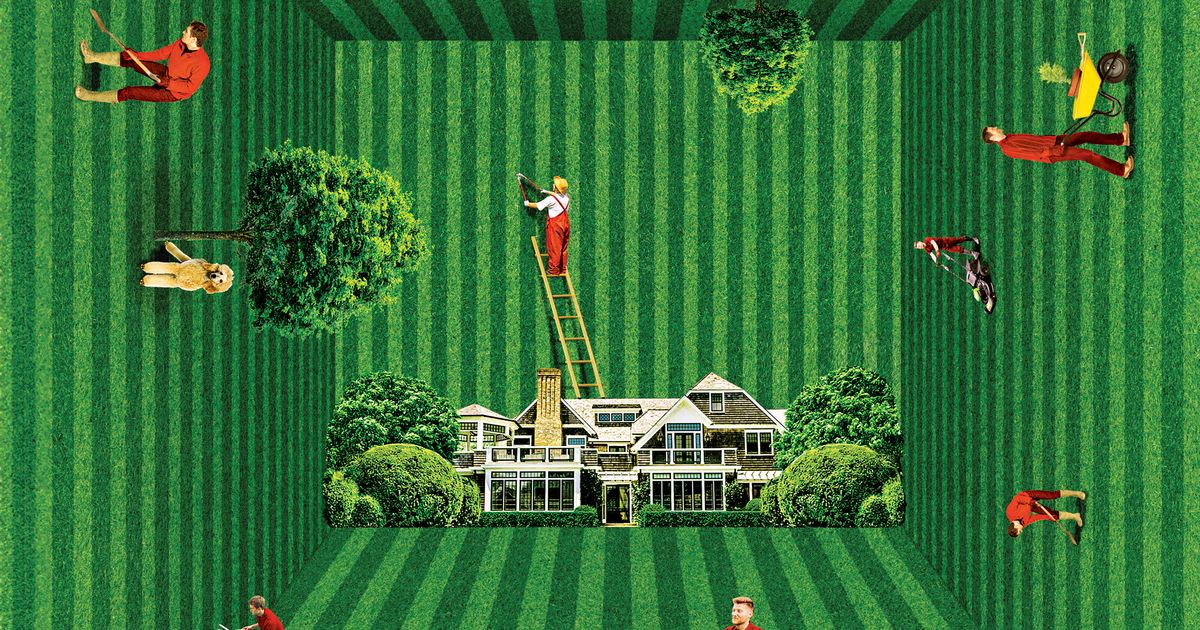
Lawn maintenance costs have exploded in wealthy enclaves, with homeowners now spending six figures annually just to maintain landscaping. A pristine residential garden, particularly in affluent markets, routinely runs $200,000 or more per year when accounting for specialized grass care, mature tree preservation, and professional groundskeeping.
The expense reflects broader luxury property trends. High-end homes in sought-after neighborhoods demand manicured landscapes as standard. Maintaining century-old redwoods, installing premium irrigation systems, and employing full-time groundskeepers creates perpetual costs that dwarf traditional home expenses.
This landscaping inflation matters for several buyer segments. Ultra-high-net-worth purchasers treating estates as lifestyle purchases accept these costs. But middle-tier luxury buyers face unexpected financial burdens. A $5 million property with mature trees and established grounds carries hidden annual expenses that financial advisors often overlook during purchase negotiations.
For sellers, landscape condition directly impacts marketability. A neglected yard signals deferred maintenance across the entire property. Conversely, professionally maintained grounds justify premium asking prices. Many sellers hire landscape architects before listing to maximize curb appeal.
Landlords renting high-end properties must account for landscaping costs within operating expenses. Tenants in luxury rentals expect manicured grounds, making lawn maintenance non-negotiable for competitive leasing.
The takeaway extends beyond aesthetics. Luxury property ownership increasingly means accepting substantial ongoing landscape expenses. Buyers must factor annual landscaping budgets into total cost of ownership before committing. Properties with mature trees and complex grounds require professional management rather than weekend DIY efforts. This reality prices out buyers who underestimate the true expense of maintaining prestigious properties in competitive markets.