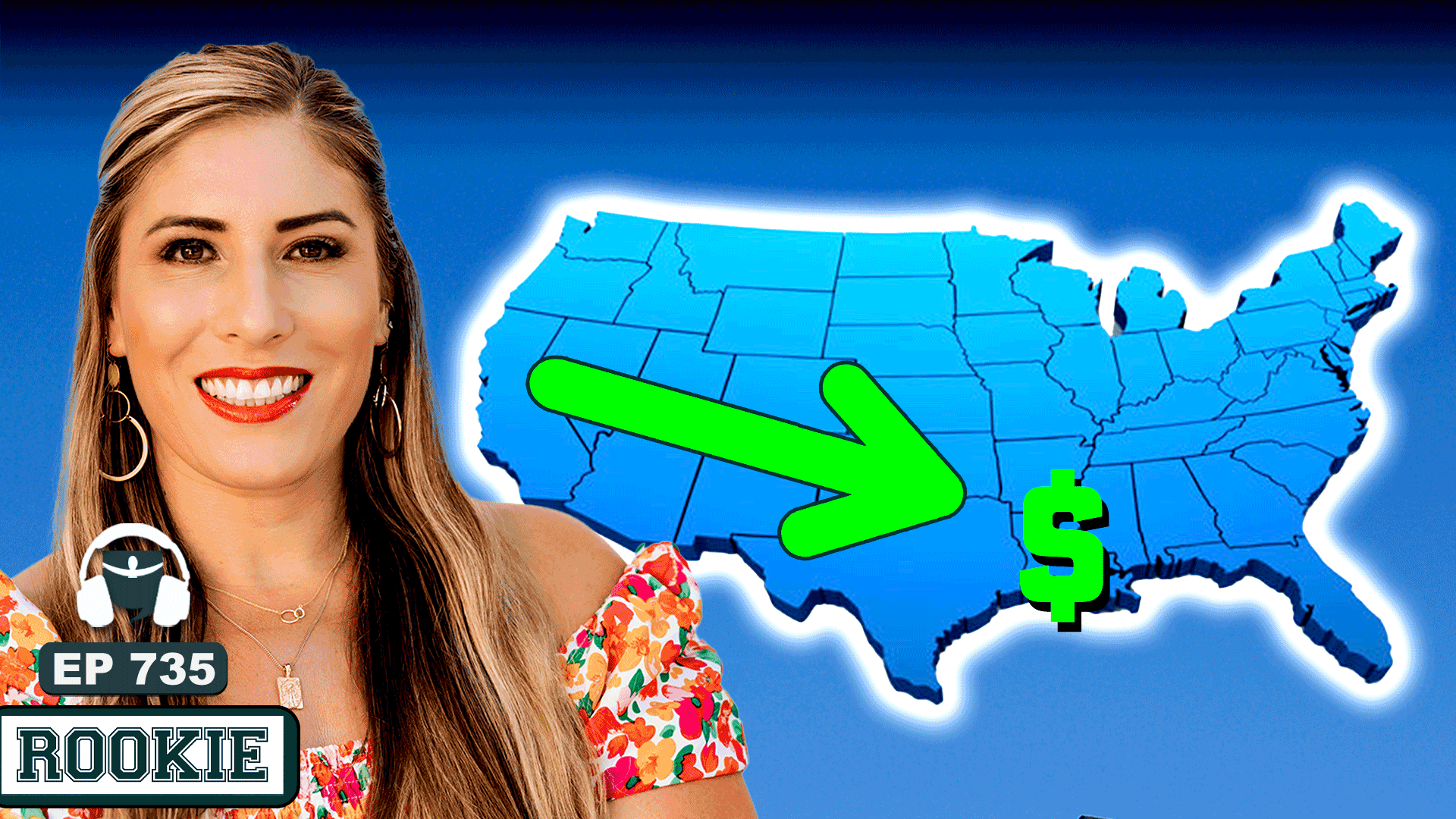
A landlord operating a rental property 1,000 miles away generates $29,000 monthly through a hands-off management strategy that avoids the typical headaches of direct property operation. The investor uses professional property management to handle tenant relations, maintenance, and day-to-day operations, allowing for geographic distance without sacrificing returns.
This model appeals to investors seeking passive income without the operational burden. Rather than managing tenants and repairs personally, the owner outsources these tasks to a licensed property manager who handles rent collection, maintenance coordination, and tenant screening. The arrangement costs a percentage of monthly rent but preserves the investor's time and reduces stress.
The property generates enough cash flow that management fees and expenses still leave substantial profit. At $29,000 monthly, the investment demonstrates how modern property management services enable investors to build portfolios across multiple markets without relocating or becoming landlord-operators.
This approach works best for investors with capital to deploy and sufficient cash flow to absorb a third-party management layer. The trade-off is straightforward: you pay someone 8-12% of rent to eliminate tenant complaints, emergency repairs at midnight, and eviction drama. For many investors, that cost buys back hours weekly and removes emotional labor from the equation.
Distance investing has gained traction as property prices in investors' home markets became prohibitive. A $400,000 single-family home in California might generate less cash flow than a $150,000 rental in a secondary market like Memphis, Nashville, or Indianapolis. Moving capital to lower-cost regions while keeping management centralized maximizes returns without geographic constraints.
The strategy suits investors who already have strong income from employment or other sources. They deploy capital once, hire a manager, and collect checks. This investor's $29,000 monthly return represents roughly $348,000 annually from a single property. Scaling this model across multiple properties in different