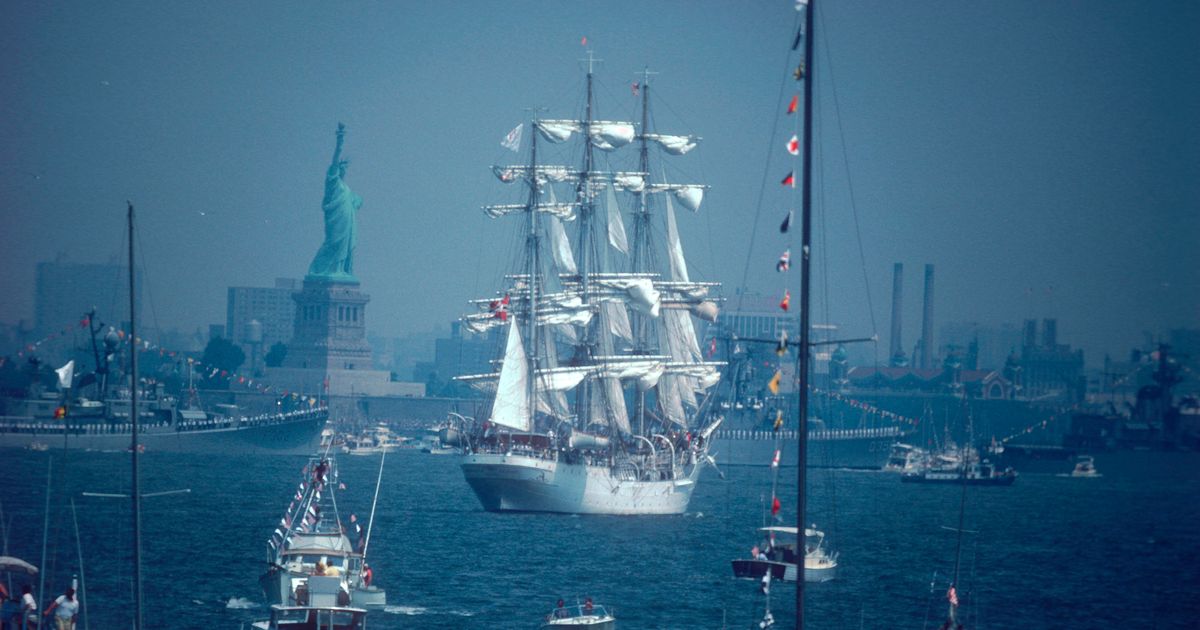
New York's waterfront is getting a historic boost. Tall ships and warships are returning to the city for a celebration that marks a rare convergence of maritime heritage and naval power projection.
The event brings operational and historical vessels back to New York Harbor after extended absences. Tall ships, iconic wooden-hulled sailing vessels, attract tourism, create photo opportunities, and draw crowds to waterfront districts. Warships signal military presence and national pride while generating media attention and foot traffic to port areas.
For real estate stakeholders, this matters. Waterfront neighborhoods benefit from increased visitor activity. Residential properties with water views gain appeal when maritime events drive tourism. Hotel operators and hospitality businesses see revenue spikes. Waterfront restaurants and retail spaces attract crowds during such celebrations.
Commercial property owners benefit most directly. Pier access and waterfront leasing opportunities become more valuable when signature events draw consistent crowds. Developers eyeing waterfront sites note the public interest these celebrations generate, making future mixed-use projects more attractive to investors and lenders.
For residents in surrounding neighborhoods like DUMBO, the Seaport, and Williamsburg, these events create temporary congestion but enhance long-term neighborhood prestige. Properties marketed near "iconic waterfront event spaces" command premiums.
Tenants in waterfront commercial spaces see foot traffic increases. Landlords can justify higher rents when events drive customer volume to storefronts and restaurants.
The dual nature of the celebration, pairing merchant maritime tradition with military vessels, broadens appeal across demographics. Heritage tourism dollars flow alongside patriotic fervor, extending the economic window beyond a single weekend. Repeat visitors and media coverage create compound effects on property desirability.
For long-term investors, waterfront events like this validate development thesis. They prove public appetite for maritime-anchored neighborhoods and justify continued capital allocation toward port district revitalization. As