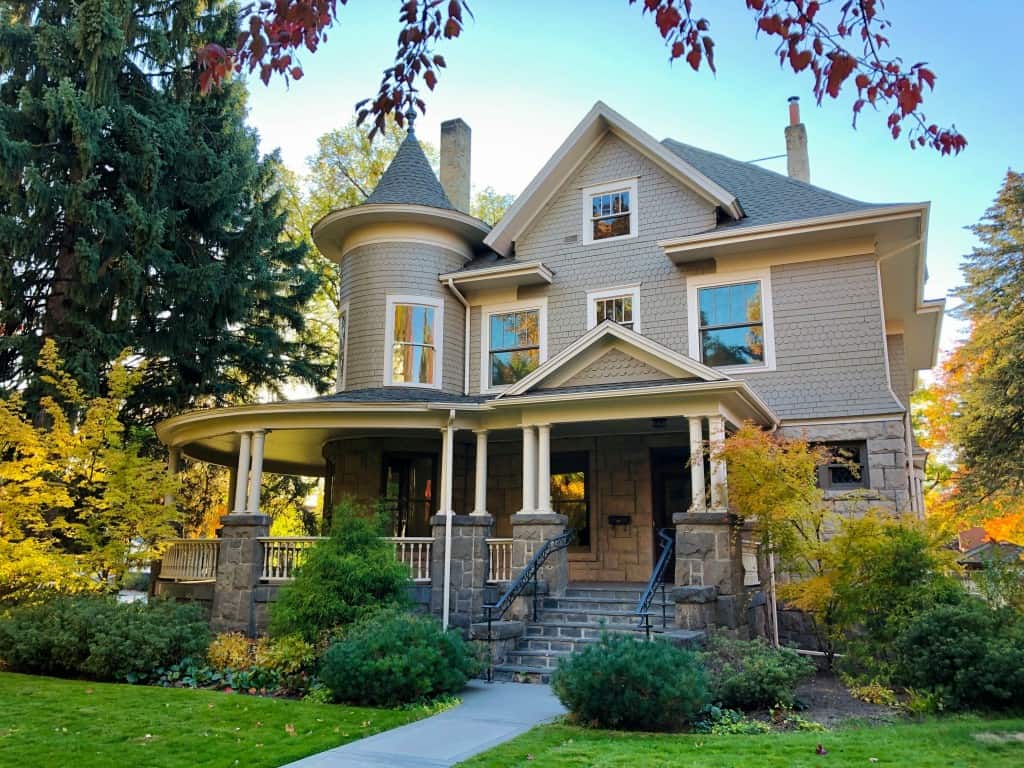
Historic homes attract buyers with their charm and architectural character, but ownership costs far exceed those of newer construction. Restoration and maintenance expenses balloon quickly when dealing with century-old foundations, outdated electrical systems, and original plumbing.
Property taxes on historic homes often run higher than comparable modern houses in the same neighborhoods. Insurance premiums increase substantially because insurers view older structures as greater liability risks. Heating and cooling older homes costs more due to poor insulation and inefficient systems. Replacing original windows, roofs, and siding requires specialized contractors who charge premium rates.
Buyers pursuing historic homes should budget 1.5 to 2 times more annually for maintenance than they would spend on homes built after 1990. A single roof replacement on a Victorian mansion with complex angles and dormers reaches $15,000 to $25,000. Lead paint remediation adds thousands. Asbestos removal climbs higher.
Sellers of historic properties face lengthened sales timelines. Fewer buyers qualify for financing on homes requiring substantial repairs. Lenders scrutinize structural integrity and foundation conditions carefully. Some banks decline mortgages on properties with deferred maintenance exceeding 30 percent of assessed value.
Tenants renting historic homes benefit from unique character but suffer from unreliable heating, drafty windows, and aging plumbing. Landlords discover rent premiums barely offset accelerated wear on systems predating modern standards.
The true economic calculus demands honesty. Historic home buyers pay not just purchase price but ongoing restoration costs. Tax incentives exist in some jurisdictions, offering credits for qualified historic preservation work, but these rarely cover full expenses. Local historic districts impose restrictions on renovations, forcing owners to use approved materials and contractors.
Anyone considering a historic purchase should hire specialized inspectors familiar with period construction, obtain detailed repair estimates before closing, and ensure their mortgage lender approves