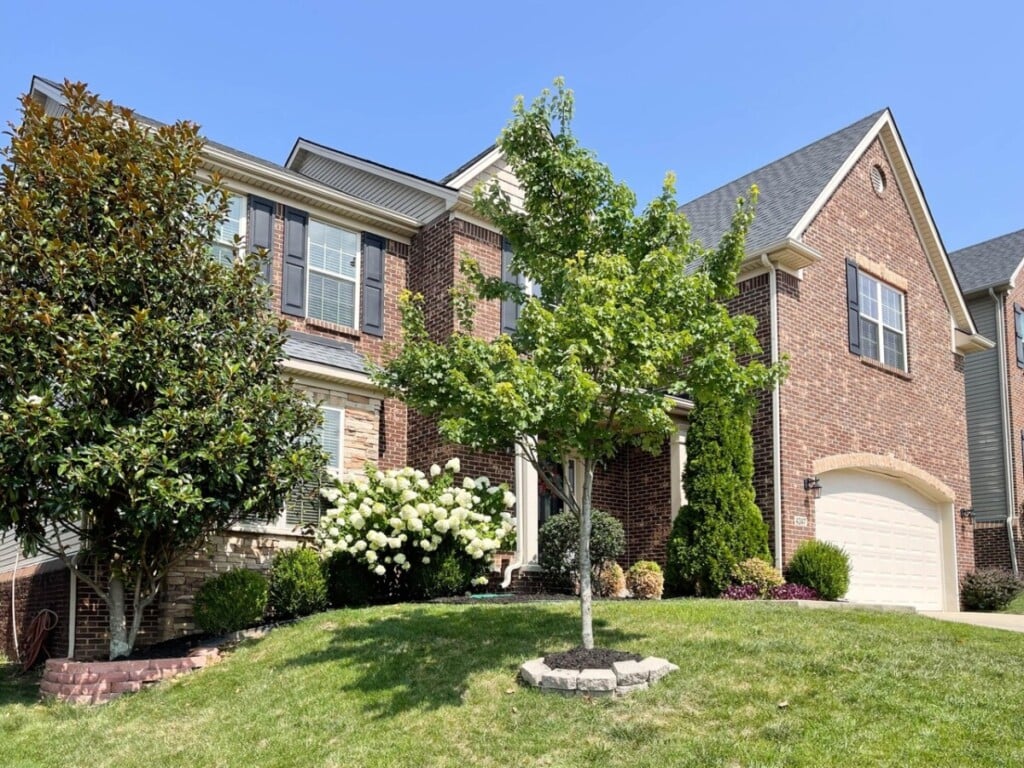
A $300,000 home purchase price translates into widely varying monthly mortgage payments depending on down payment size, interest rates, and loan term.
With a 20 percent down payment ($60,000), borrowers finance $240,000. At a 7 percent interest rate on a 30-year fixed mortgage, the principal and interest payment runs $1,596 monthly. Add property taxes, homeowners insurance, and potentially mortgage insurance, and total housing costs climb to roughly $2,000 to $2,200 monthly depending on location and coverage.
Putting down 10 percent ($30,000) means financing $270,000. That same 7 percent rate over 30 years produces a $1,797 principal and interest payment. Private mortgage insurance becomes required at this lower equity level, adding $200 to $400 monthly depending on credit score and lender.
First-time buyers with minimal savings might put down just 3 percent ($9,000), financing $291,000. Their monthly payment jumps to $1,937 before taxes, insurance, and PMI. Total housing costs frequently exceed $2,500 monthly.
Interest rates shift the math dramatically. At 6 percent, the same $240,000 loan (20 percent down) costs $1,439 monthly. Jump to 8 percent and it reaches $1,761.
The debt-to-income ratio matters. Lenders typically cap housing costs at 28 percent of gross monthly income. A buyer needs roughly $7,000 to $8,000 monthly income to comfortably afford a $300,000 home purchase.
Location impacts overall costs significantly. Homeowners in Kentucky or other low-tax states pay substantially less in property taxes than those in high-tax areas like New Jersey or California, affecting total monthly obligations