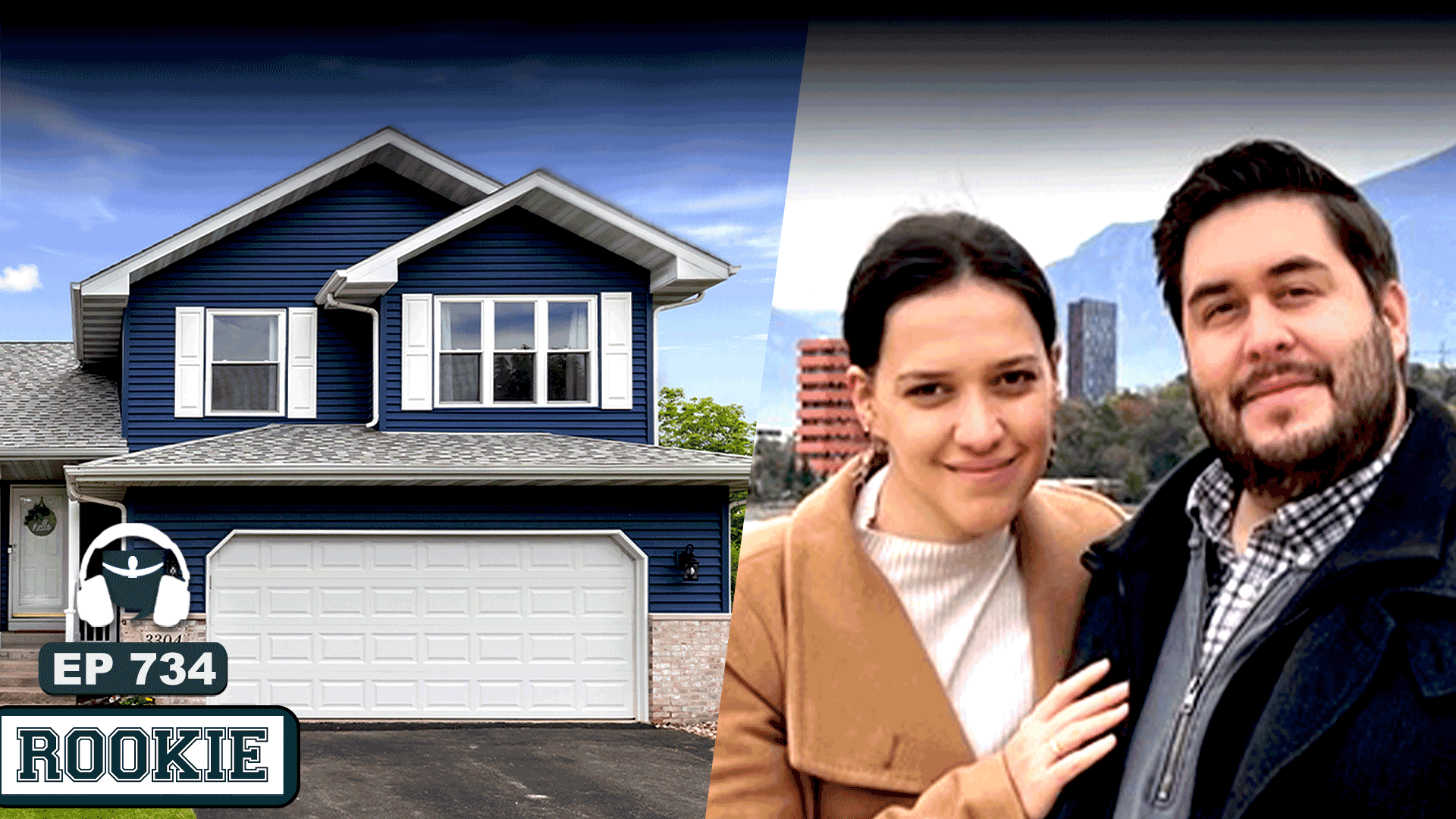
James and his wife Aida faced a sobering reality at their kitchen table: $200,000 in combined student loan debt with 30 years of repayment looming. Rather than accept decades of debt servicing, they turned to house hacking, a strategy that lets homeowners offset mortgage costs by renting out portions of their property.
House hacking works by purchasing a multi-unit property or a single-family home with accessory dwelling units (ADUs), then renting out units to tenants. The rental income covers mortgage payments, property taxes, insurance, and maintenance costs, effectively allowing the primary resident to live for free or at minimal expense. This freed-up cash flow accelerates debt paydown.
For James and Aida, the math shifted dramatically. Instead of sending $200,000 in student loan payments into the void over three decades, rental income from a strategically purchased property could service the mortgage while they attack student loans with aggressive monthly payments. The couple focused on finding a property in a market where rents supported their numbers.
The strategy carries real risks. Property damage, tenant turnover, vacancy periods, and unexpected repairs can quickly erase projected savings. Property management demands time and expertise. Lenders scrutinize house-hack deals closely; getting mortgage approval requires demonstrating that projected rental income sufficiently covers debt obligations. Most lenders want 75% of potential rent applied to income calculations, leaving little margin for error.
Market conditions matter enormously. In high-rent markets like San Francisco or New York, house hacking works faster. In soft rental markets, the math collapses. Buyers need local market knowledge, realistic rent projections, and honest repair budgets.
For James and Aida, house hacking compressed their debt elimination timeline from three decades to perhaps 5-10 years. Renters essentially funded their student loan payoff. Other households