Entry-level rentals are vanishing from the market as developers chase higher returns with luxury multifamily complexes packed with amenities. This trend squeezes first-time renters and creates opportunity for small-scale landlords willing to serve this underserved segment.
Developers favor new construction targeting higher-income tenants because margins expand with premium rents and amenity packages. Renovations, pet spas, rooftop bars, and smart home tech justify $1,500 to $2,500 monthly rents. Meanwhile, basic one and two-bedroom units that once rented for $800 to $1,200 attract less capital and development attention.
For renters earning $30,000 to $50,000 annually, the shortage creates real pain. They face longer commutes to affordable neighborhoods, overcrowded housing markets, or cost-burden situations where rent consumes over 30 percent of income. This demographic still needs housing.
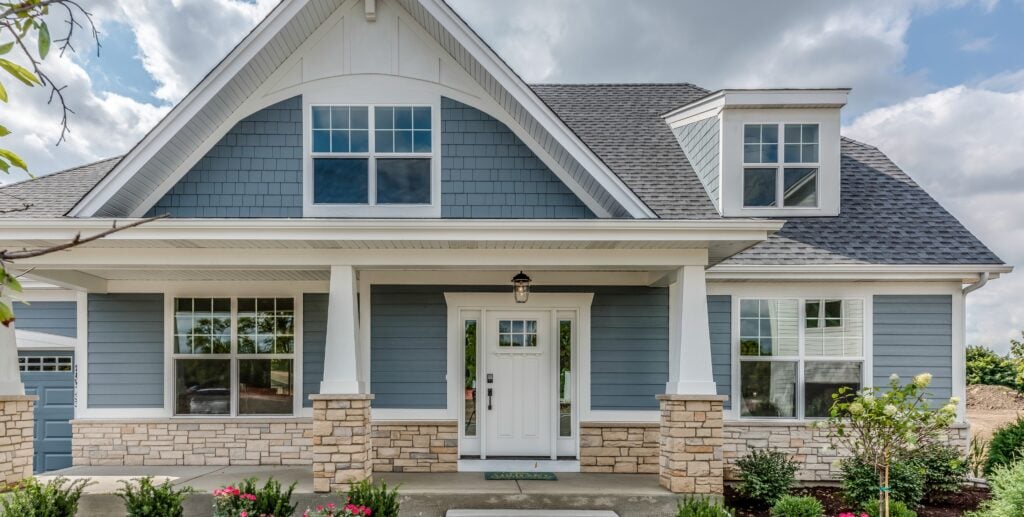
Individual landlords and small investment groups can exploit this gap by acquiring and maintaining modest single-family homes and smaller multifamily buildings in secondary markets and emerging neighborhoods. A three-bedroom house purchased for $250,000 to $350,000 in growing areas outside major metros generates steady 6 to 8 percent cap rates when rented at $1,200 to $1,500 monthly.
The strategy requires different financing than new development. Local banks and portfolio lenders, not Wall Street capital sources, fund these deals. Landlords accept lower returns in exchange for lower vacancy risk. Tenants stay longer in affordable housing. Communities benefit from stabilized neighborhoods rather than gentrification-driven displacement.
Small investors sourcing property managers experienced with workforce housing, maintaining units efficiently, and screening reliable tenants can build profitable businesses. The math works for patient capital without chasing luxury trends. Institutional investors pursue scale.