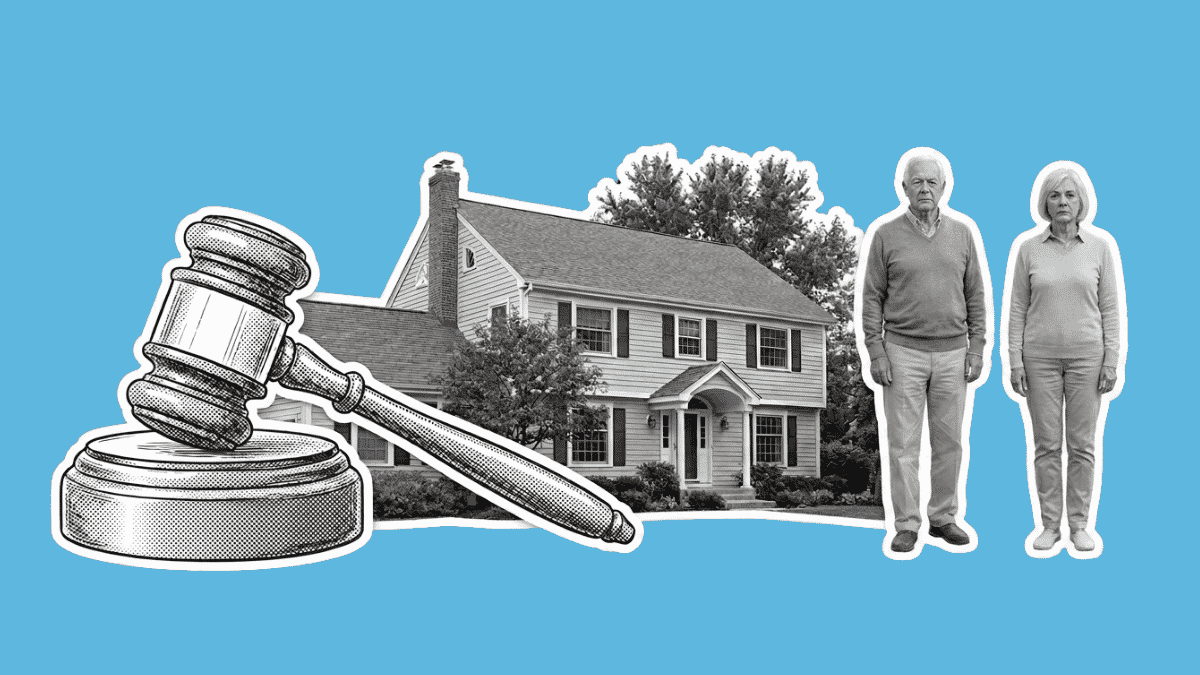
Reverse mortgages are becoming an unexpected asset in settlement negotiations for couples over 62 divorcing later in life. Gray divorces, defined as splits among adults 50 and older, have doubled since 1990, creating a new financial challenge: how to divide the marital home.
When one spouse wants to stay in the house while the other exits, the departing partner typically demands cash equal to their equity stake. Selling the home solves this but forces relocation and disrupts the staying spouse's life. Reverse mortgages offer a third path. The homeowner age 62 or older taps their home equity as a lump sum or line of credit, using the proceeds to buy out their ex-spouse's claim without selling.
The arrangement works cleanly for divorcing couples where one party has limited liquid assets but substantial home equity. A 65-year-old with $400,000 in equity but minimal savings can secure a reverse mortgage, pay the ex-spouse their $200,000 share immediately, and remain in the home. No forced sale. No relocation stress.
Attorneys and financial advisors now flag reverse mortgages during settlement talks. Lenders like Guaranteed Rate and Reverse Mortgage Funding Corporation have seen inquiries spike as divorce attorneys educate clients on the option. The typical reverse mortgage borrower is older and asset-rich but cash-poor, a profile that matches many gray divorce scenarios.
Risks remain. Reverse mortgage interest rates run higher than traditional mortgages. The debt grows over time and reduces inheritance for heirs. If the homeowner moves out or passes away, the lender calls the loan. Couples must understand that a reverse mortgage is a loan, not free money.
Divorce mediators advise getting independent appraisals and mortgage pre-qualification letters before settlement negotiations. This prevents disputes over equity values and ensures