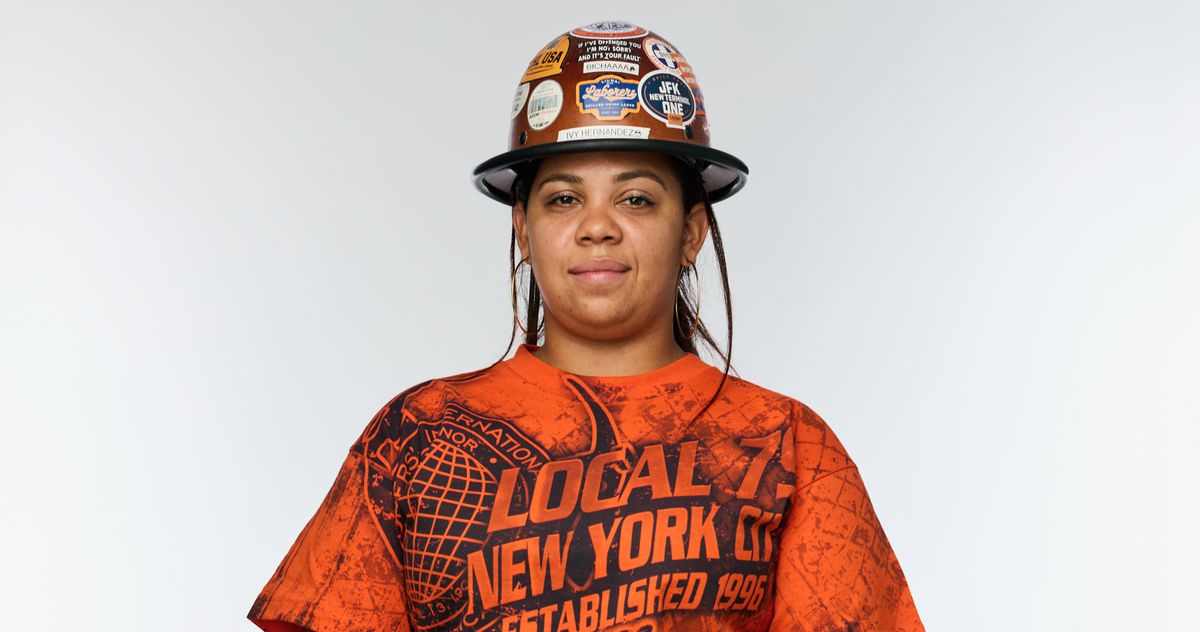
Apprentices and experienced union workers at Local 79 completed certification training at the Mason Tenders training center in Long Island City, marking a fresh push to upgrade skills across New York's construction workforce.
The Mason Tenders union runs the Long Island City facility, which specializes in masonry, concrete finishing, and related trades. Certification programs there train workers on safety protocols, advanced techniques, and industry standards that contractors increasingly demand on high-profile projects.
For developers and general contractors, this training pipeline matters. Skilled masons and tenders command higher wages but deliver cleaner finishes and faster timelines on residential and commercial builds. Projects in Manhattan and Brooklyn rely heavily on Local 79 members, and a well-trained roster reduces delays and rework costs.
For apprentices, the classes offer a clear path to union membership and steady income. New York construction apprenticeships typically run three to four years, combining on-site work with classroom hours. Hourly rates for union masons start around $35 and climb to $60 or higher for experienced tenders, plus benefits and pension contributions.
For longtime members refreshing credentials, continued education keeps them competitive as building codes evolve and new materials enter the market. Concrete additives, waterproofing systems, and safety equipment change regularly, so regular training prevents workers from falling behind.
Long Island City's training center has become a hub for Local 79's workforce development. The facility hosts classes year-round and can accommodate multiple cohorts simultaneously, addressing labor shortages that have plagued New York construction in recent years.
This training directly impacts housing supply. Faster worker certification means developers can staff projects more quickly, potentially accelerating timelines on apartment buildings, office conversions, and mixed-use developments across the city. Tight labor markets have slowed many mid-sized projects, so a steady supply of certified workers helps keep construction moving.