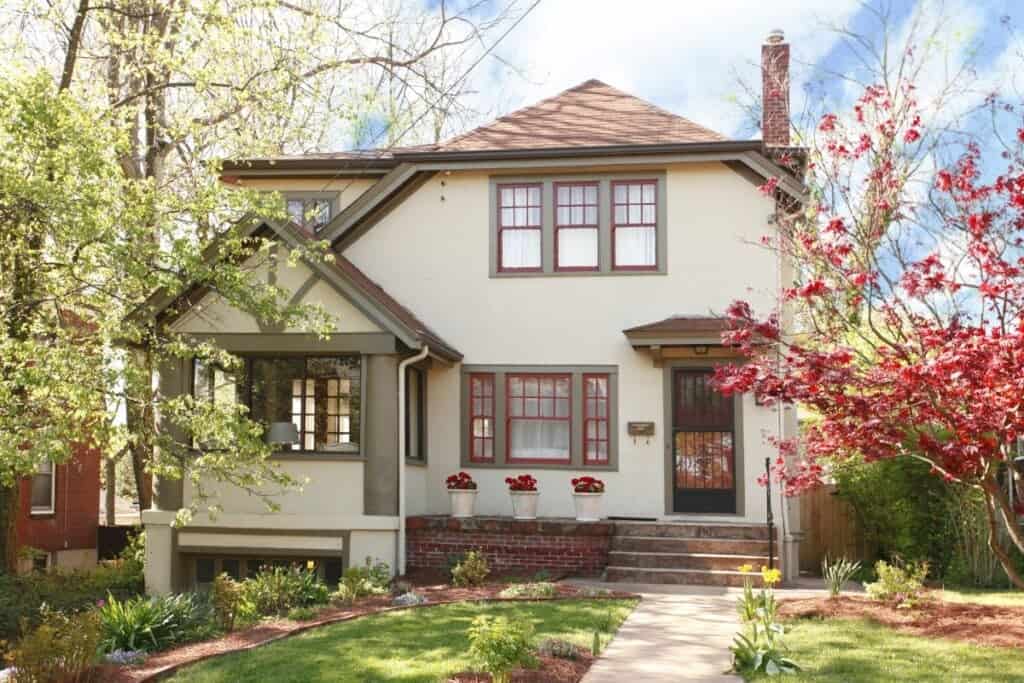
# Why Houses Cost More Than Ever
Home prices remain elevated across the United States due to a persistent supply shortage meeting sustained buyer demand. Redfin data shows fewer homes listed for sale than historical norms, while construction hasn't kept pace with population growth.
The shortage stems from multiple factors. Homeowners locked into low mortgage rates during 2020-2021 reluctant to sell and refinance at higher rates. Banks tightened lending standards after the 2008 crisis. Building costs rose sharply due to lumber shortages, labor constraints, and supply chain disruptions following the pandemic. Zoning restrictions in many markets limit new construction.
Interest rates remain elevated compared to pandemic lows. The Federal Reserve raised rates to combat inflation, which increased borrowing costs for buyers. Higher rates reduce purchasing power. A buyer approved for a $400,000 loan at 3 percent could only afford $300,000 at 7 percent.
**For buyers.** Affordability deteriorated substantially. First-time homebuyers face down payment challenges and monthly payment shock. Cash buyers gained advantages over traditional mortgage borrowers.
**For sellers.** The reduced supply creates leverage. Homes that sell attract multiple offers and competitive bidding. Sellers in desirable markets like Cincinnati and other Midwest cities benefit from demand exceeding inventory.
**For landlords.** Higher home prices pushed marginal buyers toward rentals, supporting tenant demand and rental rate growth. Property values appreciated, benefiting those holding real estate.
**For tenants.** Rental markets tightened as frustrated home buyers extended their renting period. Landlords raised rents to capitalize on demand and offset higher property taxes tied to appreciated values.
The path forward depends on construction acceleration and interest rate direction. More housing units entering the market could ease prices. If rates decline materially, freed homeowners might sell, releasing inventory.