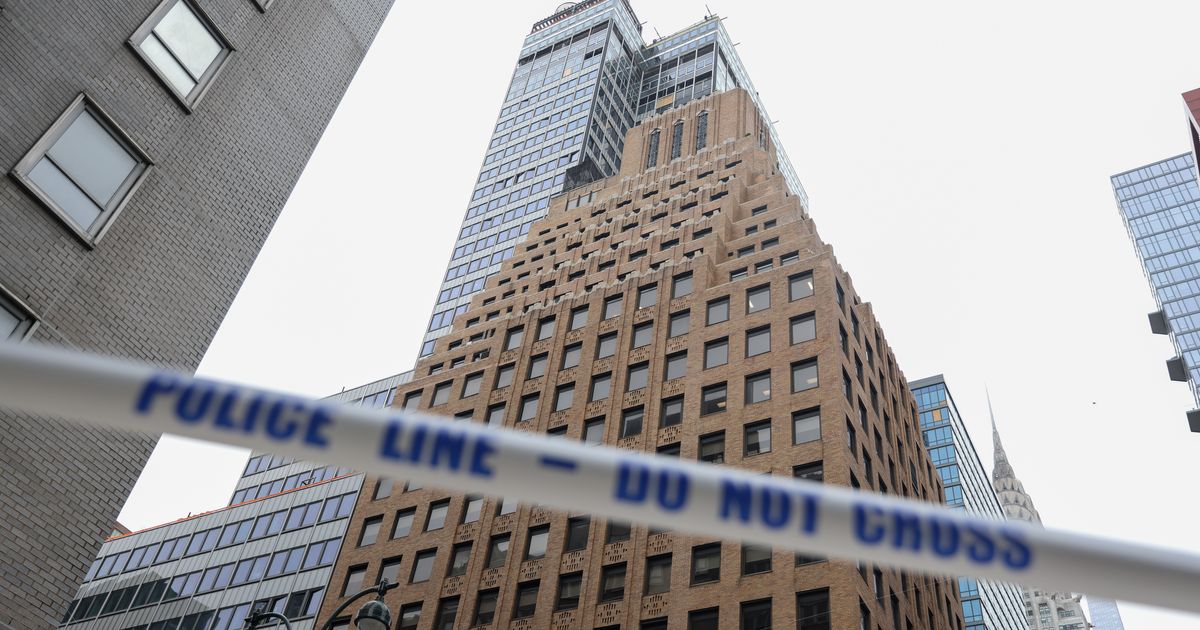
# Pfizer Building Conversion Faces Structural Crisis
A landmark Pfizer office building approaches collapse as conversion plans stall. The property, once a corporate headquarters, now deteriorates rapidly with no clear resolution in sight.
The developers and architects attached to the project have deep experience converting obsolete office space into residential and mixed-use buildings. Yet expertise alone cannot solve the fundamental problem: the building's structural integrity fails faster than renovation timelines can accommodate.
Office-to-residential conversions have exploded across major markets as remote work decimated demand for traditional corporate real estate. Developers see opportunity in aging office towers, particularly those with strong bones and prominent locations. The Pfizer building carries obvious appeal. Its location, scale, and bones made it attractive to experienced conversion teams.
The structural issues plaguing this project reflect broader challenges facing adaptive reuse across the sector. Many buildings predate modern building codes and seismic standards. Environmental factors, deferred maintenance, and age compound deterioration. Conversion costs balloon when developers uncover hidden damage during renovation.
For prospective buyers and tenants, the situation underscores real risks in office conversions. Projects face delays, cost overruns, and abandonment when structural problems emerge. Investors banking on quick conversions absorb heavy losses.
The developers' experience matters less when buildings simply fall apart faster than work can progress. Construction timelines slip. Financing pressures mount. What appeared economically viable becomes a money pit.
Local authorities now grapple with the decision: force emergency stabilization, pursue demolition, or allow the conversion to resume at slower pace with higher costs. Each option carries political and financial consequences.
The Pfizer building saga signals trouble ahead for the broader office conversion wave. Not all office buildings make viable candidates for adaptive reuse. Market enthusiasm can obscure structural realities that ultimately determine project viability.