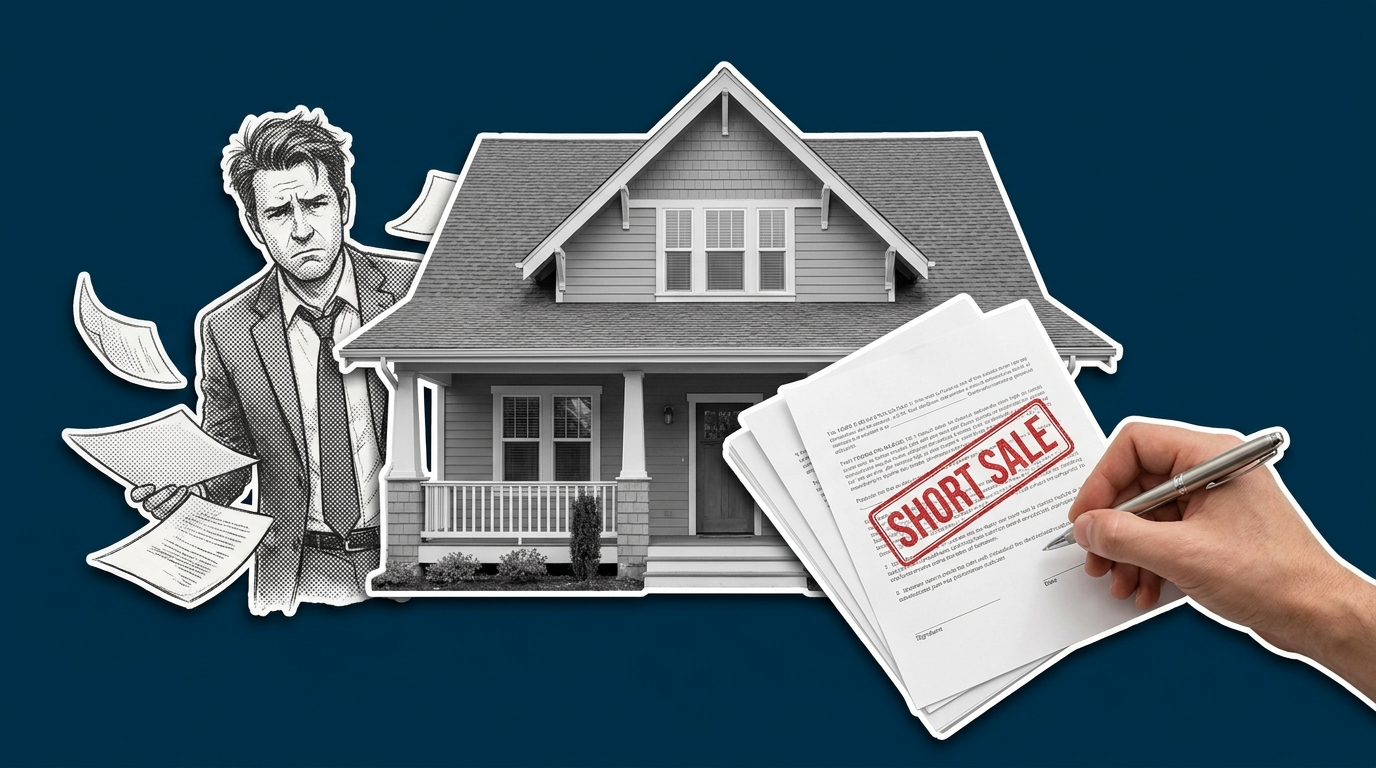
Short sales remain a largely untapped opportunity for first-time homebuyers seeking affordable entry points into the market. When properly managed, these transactions move faster than most buyers realize.
The mechanics work in lenders' favor. Banks face steep costs when properties go to foreclosure. Legal fees, property maintenance, carrying costs, and eventual losses on the sale price push lenders toward approving short sales. A complete file with proper documentation can win approval in weeks rather than months.
For first-time buyers, short sales offer three concrete advantages. Prices run 10-20 percent below market value since sellers owe more than the property is worth. The inventory remains steady even in tight markets because distressed sales continue regardless of conditions. Negotiation room exists. Unlike traditional sales where homes sell within days, short sales give buyers time to inspect, get appraisals done, and structure offers strategically.
The catch: patience and preparation matter. Most short sales fail because buyers lack complete financial documentation or walk away when timelines extend. Sellers must cooperate fully. Lenders require proof of financial hardship, current mortgage statements, tax returns, and bank statements. Any missing piece extends timelines.
First-time buyers should work with agents who understand short sale mechanics and have lender contacts. Not all agents do. The approval process involves the bank's loss mitigation department, not just the listing agent. This separation confuses many buyers who treat short sales like standard transactions.
Market conditions favor this strategy now. Rising rates have stalled some homeowners. A portion will face equity shortfalls. Lenders hold incentives to move these deals through quickly rather than absorb foreclosure costs. The math works. A lender might recover 85-90 percent of the loan amount through a short sale versus 60-70 percent after foreclosure expenses.
For buyers priced out of conventional markets, short sales deserve