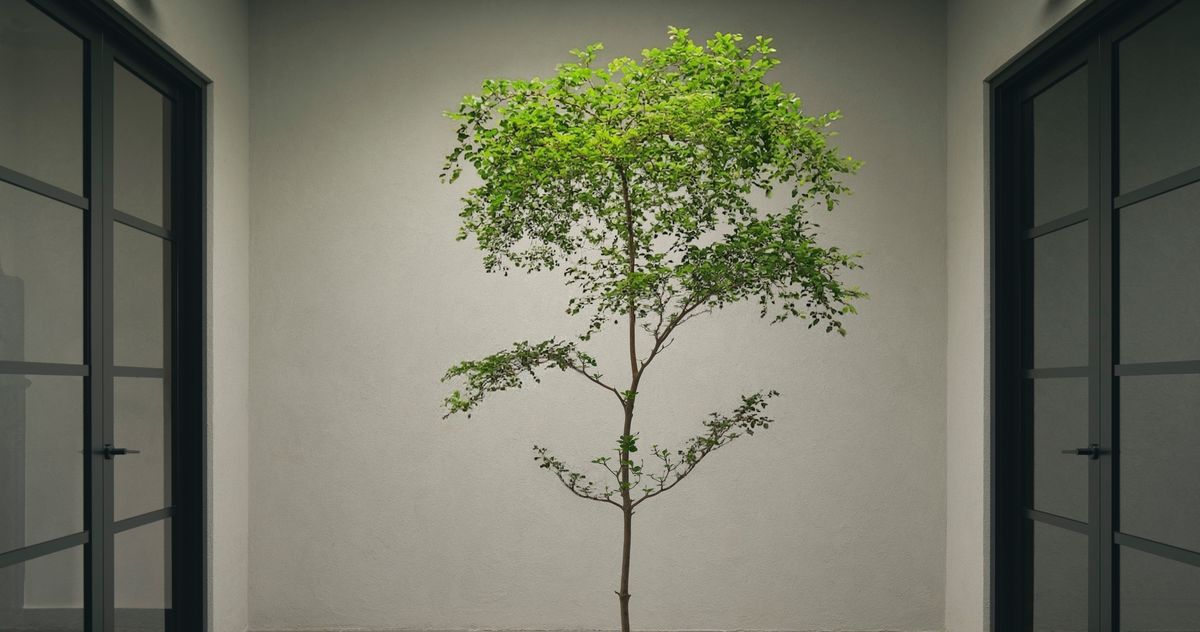
A Brooklyn brownstone built in the 1800s has undergone a major restoration that blends period charm with modern French design sensibilities. The project centers on recovering the building's original architectural character while introducing an interior courtyard that floods the home with natural light.
The renovation preserves classic brownstone features like ornamental fireplaces, hardwood floors, and ceiling moldings. Designers introduced French-influenced materials and furnishings throughout, creating a cohesive aesthetic that honors the structure's history without feeling stuck in the past. The interior courtyard functions as the project's centerpiece, serving as both a functional green space and a visual anchor that connects multiple floors.
For Brooklyn homeowners, this project demonstrates how 19th-century brownstones can command premium pricing when restored with sophisticated design intent. These homes typically sell between $2.5 million and $4 million in prime neighborhoods, with thoughtful renovations justifying higher valuations. The courtyard addition increases usable square footage and appeals to buyers seeking private outdoor space in dense urban settings.
Landlords operating multi-unit brownstones in similar condition face comparable investment decisions. Restoration costs run substantial, but properties in sought-after blocks like Park Slope, Brooklyn Heights, or Prospect Heights attract tenants willing to pay premium rents for character-filled apartments. Historic preservation tax credits can offset costs for buildings on local or national registers.
The project also reflects broader Brooklyn trends. Buyers increasingly prize original details combined with modern amenities and light. Generic gut renovations no longer command the same premiums they did a decade ago. Properties that balance authenticity with livability outperform those stripped of their period identity.
For sellers, this brownstone's restoration signals strong market demand for well-executed historic rehabs. The confluence of location, design quality, and functional improvements creates properties that attract both owner-occupants and investor groups. The interior