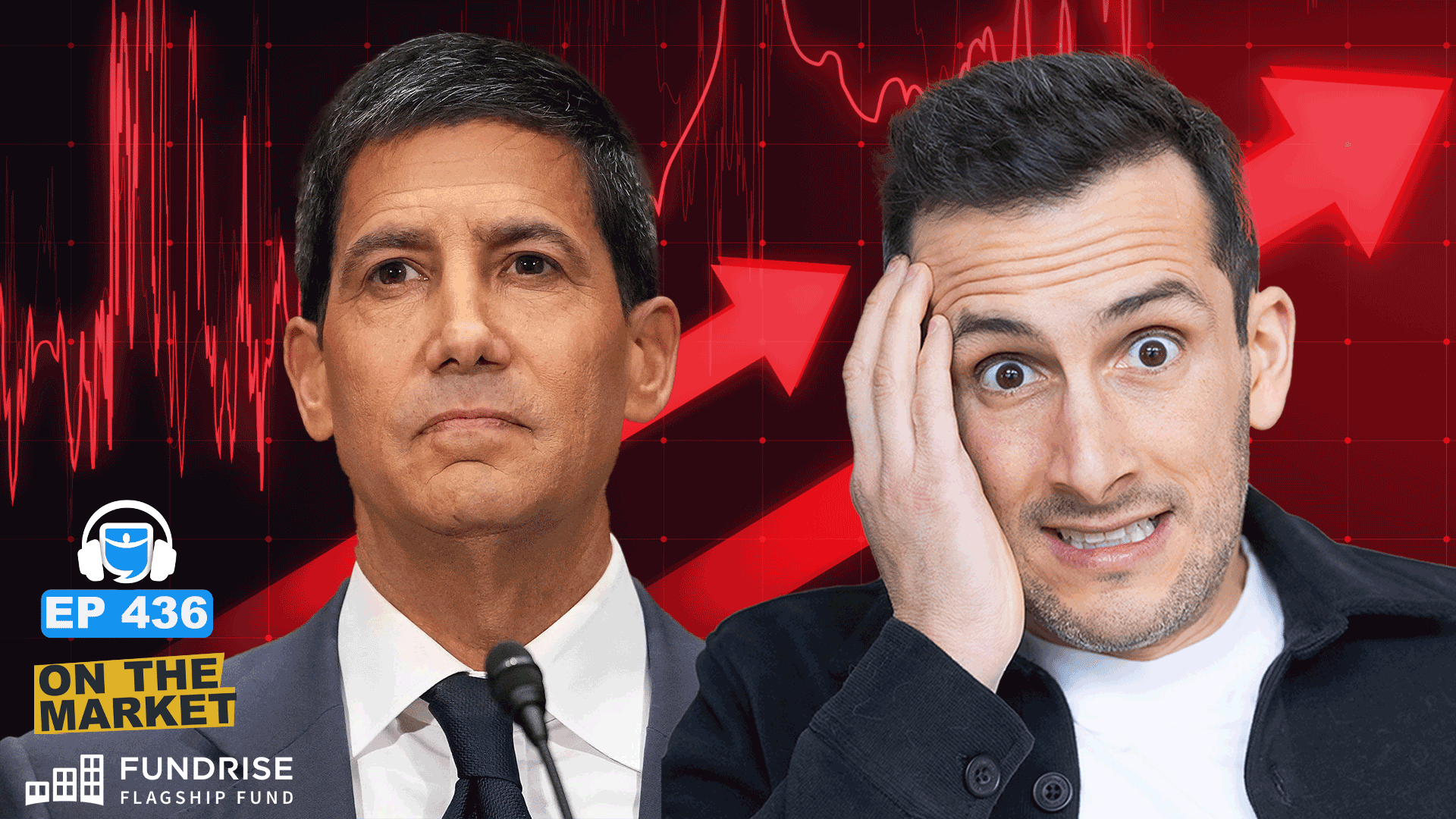
The Federal Reserve's new chair has signaled a policy shift that will reshape borrowing costs across the nation. With inflation climbing, the Fed is pivoting away from rate cuts and signaling potential rate increases ahead.
This reversal directly impacts mortgage rates, which have already begun climbing in anticipation of the Fed's moves. Prospective homebuyers face stiffer borrowing costs just as affordability remains historically tight. A 30-year fixed mortgage that sat at 6.5% could tick higher, adding thousands to annual payment obligations on a median-priced home.
Sellers benefit from the uncertainty. Higher rates typically suppress buyer demand, potentially reducing competition and giving sellers leverage in negotiations. Existing homeowners locked into sub-4% mortgages gain another reason to stay put, tightening housing inventory further.
Landlords and investors face divergent pressures. Rising rates increase cap rates on rental properties, making acquisition costs climb. Refinancing debt becomes more expensive. However, rental demand typically strengthens when buying becomes unaffordable, allowing landlords to push rent growth. Multifamily investors already facing higher cap rates will find acquisition pricing less attractive unless rents sustain upward momentum.
Commercial real estate takes an immediate hit. Office, retail, and industrial borrowing costs climb just as the sector battles structural headwinds. Debt refinancing becomes costlier. Cap rates expand, pressuring property valuations downward.
Renters encounter the harshest squeeze. Unable to qualify for mortgages due to rate pressures, more renters stay in apartments longer. Demand surges while supply remains constrained by higher development costs. Rent growth accelerates in tight markets.
The timing compounds existing challenges. Construction financing costs rise, making new apartment and single-family development more expensive to execute. Developers recalibrate projects or shelve them entirely. Supply crun