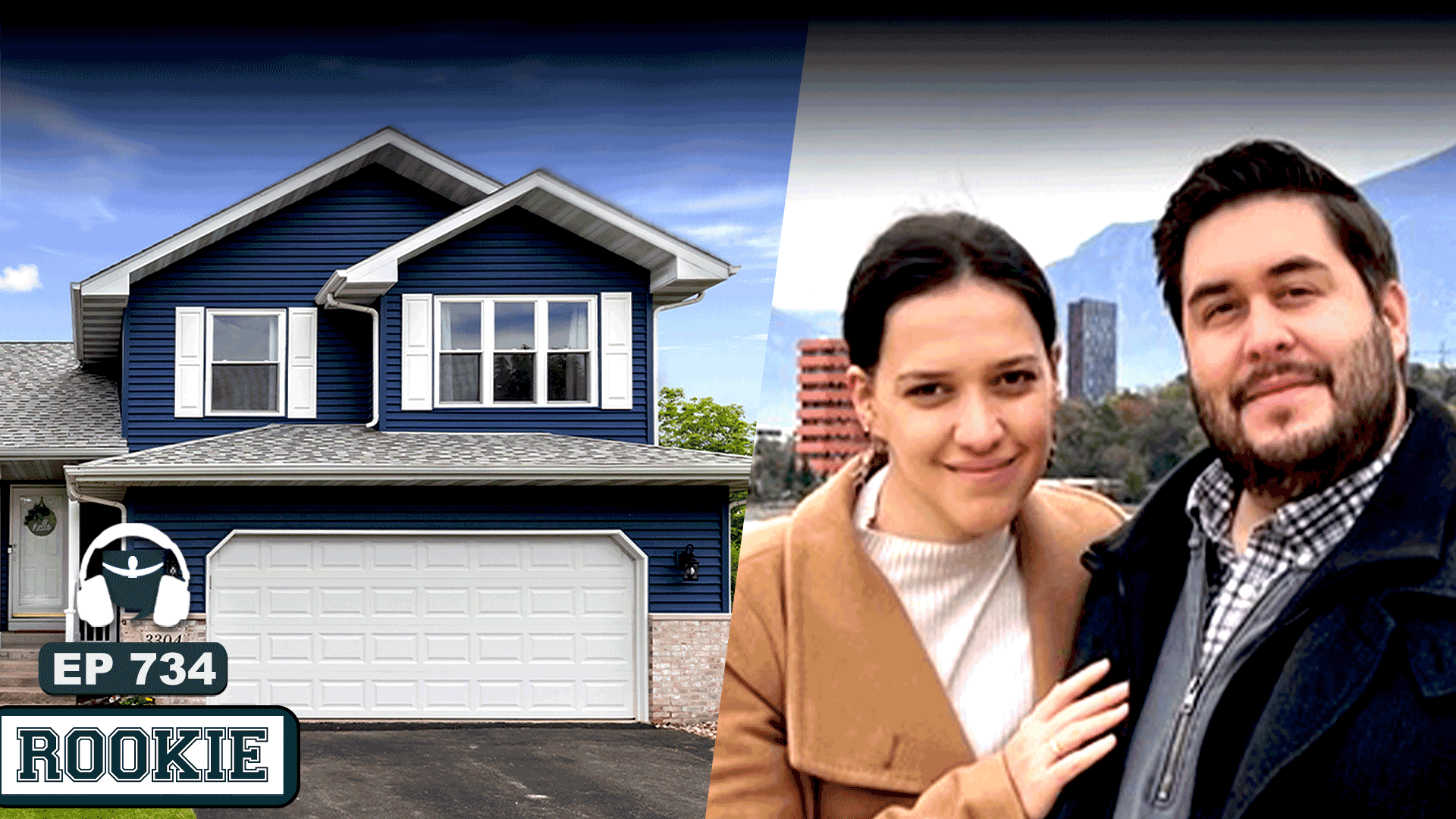
James, age 31, faced a crushing $200,000 student loan burden alongside his wife Aida. Rather than resign themselves to three decades of debt payments, the couple turned to house hacking, a strategy that lets owner-occupants rent out portions of their property to offset mortgage costs and accelerate debt repayment.
House hacking works by purchasing a multi-unit property, living in one unit, and renting the others. Tenants' rent covers the mortgage, property taxes, insurance, and maintenance. The owner pockets any surplus while building equity. This approach transforms housing from a liability into an income-generating asset.
For buyers carrying six-figure student debt, the math becomes compelling. A duplex or triplex in many markets runs $300,000 to $500,000. With a standard 20 percent down payment and tenants covering most carrying costs, James and Aida reduce their actual housing expense to near zero. Every dollar not spent on mortgage payments goes directly toward that $200,000 student debt.
Lenders view house hackers favorably. Owner-occupied multi-unit properties qualify for residential financing rates, typically lower than investment property rates. James and Aida likely secured conventional loans under 7 percent, rather than the 8-plus percent investment mortgages attract. This rate advantage compounds over time.
The strategy demands discipline. Owner-occupants must handle tenant screening, maintenance coordination, and rent collection. Problem tenants destroy margins fast. Vacancy periods hurt even faster. Property managers cost 8-12 percent of rents, eating into debt-payoff gains.
Location matters enormously. Strong rental markets like Denver, Austin, or Indianapolis see rents covering 75-85 percent of mortgage payments on modest multi-units. Weak markets barely cover 50 percent. James and Aida needed to pick markets where r