The rental market is shedding affordable entry-level units as developers prioritize luxury properties with expensive amenities. This shift creates a shortage of starter rentals that budget-conscious tenants desperately need.
Large developers chase higher margins by building premium apartments with rooftop bars, coworking spaces, and fitness centers. These properties command rents of $1,500 to $2,500 monthly in major metros. Meanwhile, modest two-bedroom units renting for $800 to $1,200 are being demolished or renovated into upscale offerings. Tenants earning $30,000 to $45,000 annually face thinner inventory and climbing competition.
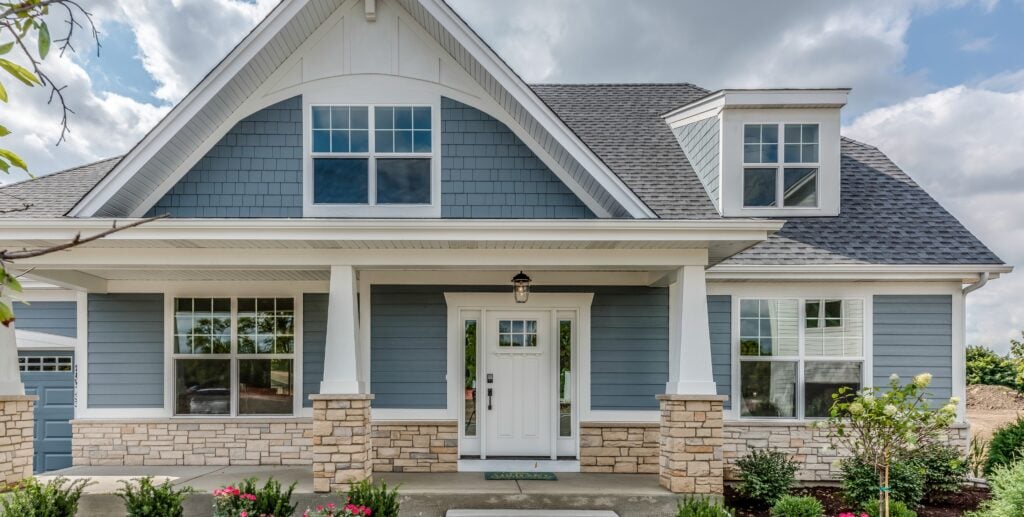
Small landlords and individual investors can capitalize on this gap. Unlike institutional players chasing scale, independent landlords can acquire and operate modest single-family homes and small multi-unit buildings in secondary markets and working-class neighborhoods. These properties require lower capital, generate steady cash flow, and serve underserved renters who need reliable housing.
The economics favor this strategy. A three-bedroom home purchased for $250,000 in markets like Memphis, Toledo, or Jacksonville rents for $1,100 to $1,400 monthly. Financing through traditional lenders or portfolio lenders is accessible. Operating costs stay predictable when landlords maintain properties well. Tenant turnover drops when rents align with local incomes, reducing vacancy risk.
Institutional investors are largely absent from this segment because starter rentals don't deliver the 6-8 percent yields they require after accounting for debt service, property management, and maintenance. Small investors accept 4-5 percent returns, tolerate longer hold periods, and value stability over rapid appreciation.
Tenants benefit when small landlords enter the market. Local ownership often means responsive maintenance, flexible lease terms, and genuine community connections. Landlords who operate five to