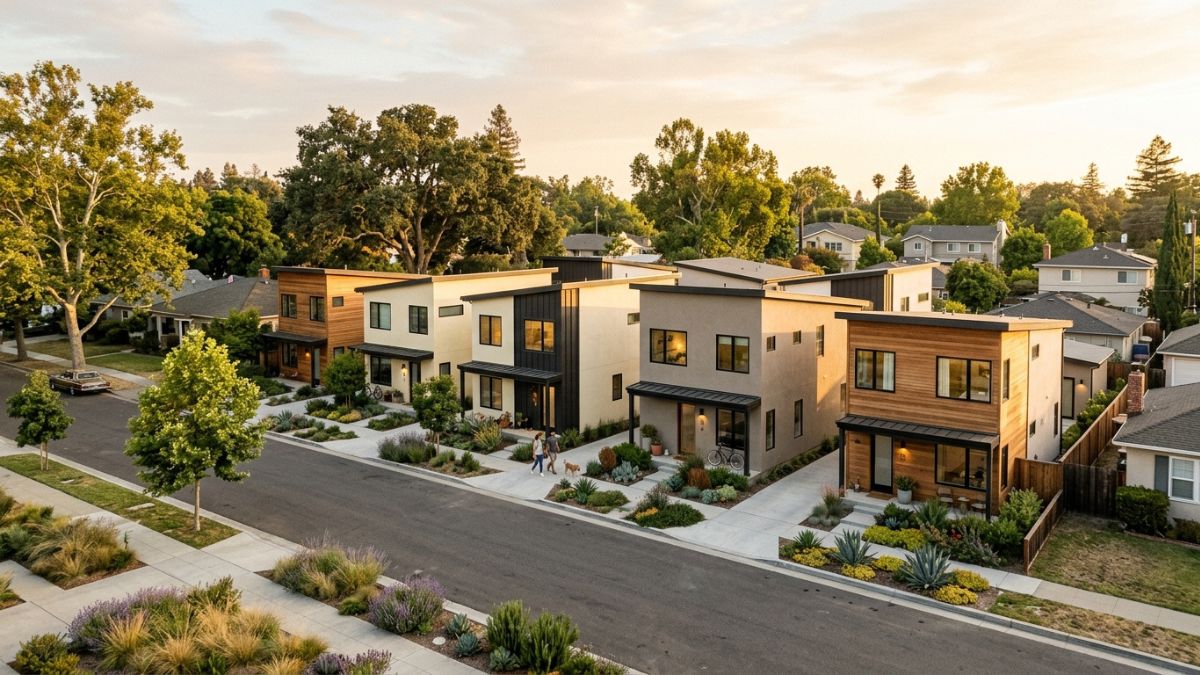
Samara, a residential developer focused on infill housing, has launched Locale, a single-family home platform designed to add housing units in California neighborhoods where land scarcity limits development. The platform leverages Senate Bill 1123, a state law that streamlines approvals for small-scale residential projects on underutilized lots.
Locale targets high-demand California neighborhoods by converting vacant or underused parcels into single-family homes. The model addresses California's persistent housing shortage by bypassing traditional entitlement processes that typically delay projects by years. SB 1123 expedites approval for qualifying infill projects, reducing timelines and regulatory costs.
For buyers, Locale represents new homeownership opportunities in established neighborhoods where single-family inventory remains tight and prices have climbed steadily. Properties developed through this platform sit in areas with existing infrastructure, schools, and amenities, appealing to buyers seeking community character alongside new construction.
Sellers benefit from Samara's willingness to purchase infill-ready parcels that have sat dormant. Landlords holding small lots in California's dense urban areas now have exit strategies for properties that generate minimal rental income.
Renters in these neighborhoods face potential displacement pressure as Samara converts infill sites, though the platform's reliance on vacant or underutilized land suggests limited existing tenant impact.
The launch signals developer confidence in California's regulatory climate around housing production. SB 1123, enacted in 2021, permits cities to streamline approvals for projects with limited environmental impacts and parking requirements. Samara's move into single-family infill suggests other developers may follow, potentially accelerating housing supply in constrained coastal and Bay Area markets.
Locale's success depends on identifying qualified parcels and securing financing for scattered-site development, which carries higher per-unit costs than traditional subdivision projects. The model's profitability