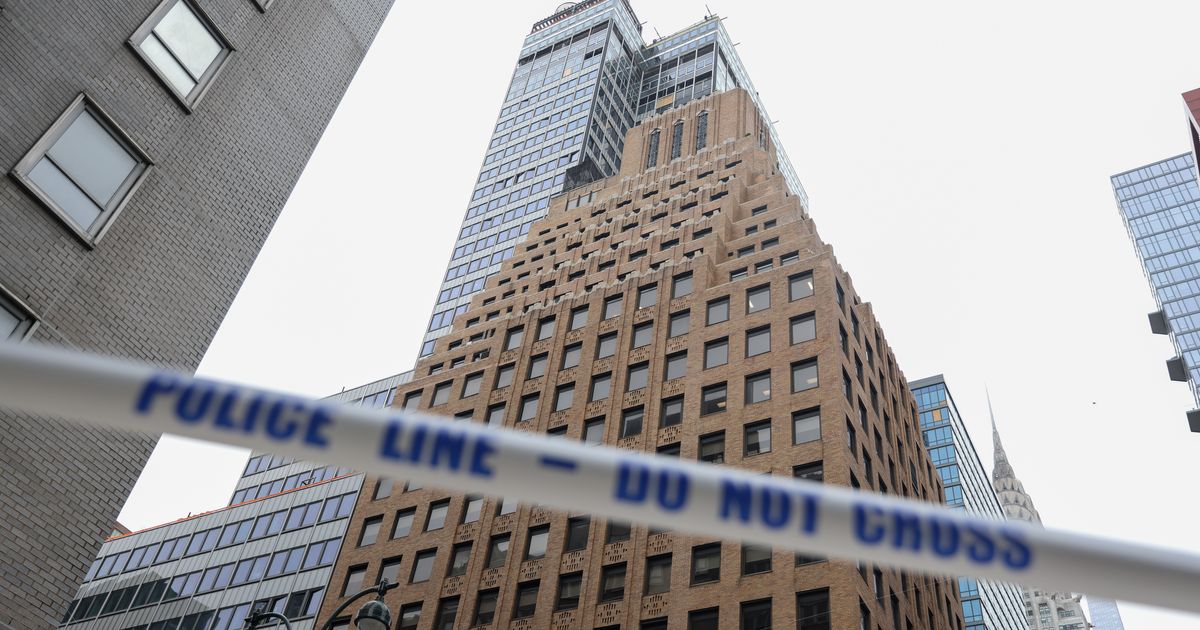
# Old Pfizer Building Conversion Faces Structural Challenges
The historic Pfizer pharmaceutical facility sits on the brink of structural failure, but experienced developers and architects are tackling the complex office conversion project. The building's deteriorating condition stems from decades of deferred maintenance and the unique engineering demands of converting a massive industrial structure into modern workspace.
The Pfizer site presents extraordinary challenges. The building houses outdated mechanical systems, aging concrete infrastructure, and load-bearing walls designed for pharmaceutical manufacturing rather than office use. Converting such a facility requires stripping and rebuilding core systems, including HVAC, electrical, plumbing, and fire suppression networks. The developers overseeing this transformation have completed similar large-scale industrial conversions, bringing credibility to the effort.
The project hinges on stabilizing the structure while maintaining its historical character. This balancing act demands specialized engineers who understand both preservation standards and modern building codes. Masonry repairs, foundation reinforcement, and structural assessments have already identified areas requiring immediate intervention to prevent further deterioration.
For the market, a successful conversion would deliver significant office inventory in a location with established infrastructure and transit access. The timeline and budget for such work remain fluid. Industrial conversions of this scale typically run 18 to 36 months and require substantial capital investment in invisible infrastructure before tenants ever see the finished product.
The real test comes in attracting enough tenant interest to justify the costs. Office conversions face headwinds from remote work adoption and changing workplace demand. However, adaptive reuse projects in urban corridors continue attracting investment, particularly when developers position them as creative, collaborative spaces rather than conventional corporate offices.
Buyers and investors watching this project will gain insight into the true economics of converting aging industrial properties. Success here could unlock similar opportunities across the city's manufacturing heritage buildings. Failure would signal caution flags about the viability of certain conversion